Unveil the Architectural Grandeur: Topkapı Palace's Pavilions of Paradise
Step into Topkapı Palace, not as a single imposing edifice, but as a sprawling "tent encampment turned to stone." Unlike grand European palaces, this imperial residence reflects the Ottoman Empire's nomadic roots, a decentralized series of exquisite pavilions and lush garden courtyards. Prepare to journey through centuries of architectural innovation, from ancient Byzantine structures to the pinnacle of classical Ottoman design and the surprising adoption of European styles.
🎧 20-Second Audio Guide Preview
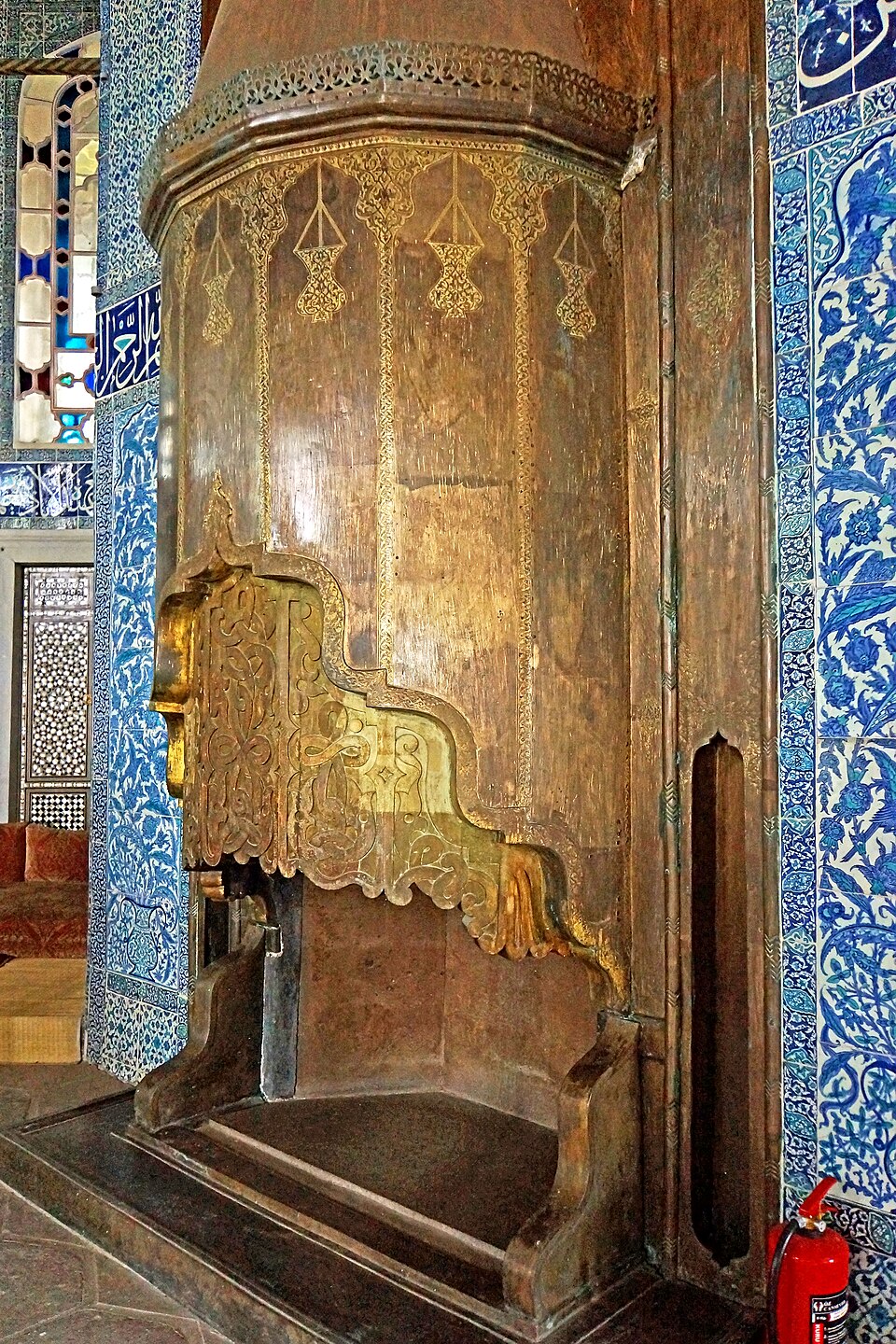
“Stand now before the Baghdad Pavilion. Look closely at its perfect octagonal plan. Notice the vibrant 17th-century Iznik tiles—deep blues, whites, and turquoises. Marvel at the stained-glass windows, a testament to classical Ottoman artistry. This wasn't just a room; it was a celebration of victory. What secrets does its meticulous design hold?”
The Enduring Legacy of Nomadic Splendor
Begin your exploration where Topkapı Palace defies conventional European palace design. Instead of one monolithic structure, witness a decentralized complex of low pavilions and garden courtyards, a true reflection of the Ottomans' nomadic past transformed into stone. Adjacent, find Hagia Irene, a 6th-century Byzantine church enclosed within the palace walls. Uniquely, its incredibly thick brick vaulting and sturdy dome led the Ottomans to repurpose it as the "İç Cebehane" (Inner Armory) for weapons, rather than converting it into a mosque, thereby preserving its ancient Byzantine architecture for centuries.
Classical Ottoman Design: From Divan to Domes
Continue to the Divan-ı Hümayun, a prime example of 15th-16th century classical Ottoman architecture. Observe its wide, sweeping eaves and deep porches supported by ornate wooden pillars, ingeniously providing shade and rain cover while creating essential transition zones between indoor and outdoor spaces. Above it, the Tower of Justice, the palace's tallest structure, visually reinforced the Sultan’s supreme authority over the imperial council. Nearby, the Library of Ahmed III, built in 1719, marks the "Tulip Era" with its subtle blend of Ottoman tradition and European elegance, featuring a central dome, rich Iznik tiles, and mother-of-pearl shutters.
The Zenith of Artistry and a Glimpse of the Future
The Baghdad Pavilion, erected in 1639 by Sultan Murad IV, stands as the absolute pinnacle of classical Ottoman dome architecture and Iznik tile work. Commissioned to celebrate the recapture of Baghdad, its perfect octagonal plan and interior clad in exquisite 17th-century blue, white, and turquoise Iznik tiles, alongside spectacular stained-glass windows, embody peak Ottoman aesthetics. Nearby, the Iftar Pergola, built in 1640, boasts a gilded copper roof and offers panoramic views of the Golden Horn where the Sultan broke his fast. Finally, the Mecidiye Pavilion (1840) reveals a radical shift to European Neo-Classical and Baroque, abandoning classical styles and foreshadowing the move to Dolmabahçe Palace, built to accommodate European diplomatic expectations.
Ready to Explore Istanbul?
Download the Istanbul Smart Guide now and transform your travel experience
Follow these stops in the Istanbul Smart Guide mobile app with offline GPS & interactive AI.
1
Welcome to the Architect’s Paradise
📍 First Courtyard Entrance.
A brief welcome and introduction to the tour.
2
Hagia Irene (Exterior)
📍 First Courtyard, left side before the ticket gates.
The only Byzantine church not converted to a mosque; why the Ottomans kept it inside their palace walls.
3
The Divan-ı Hümayun
📍 Second Courtyard, left side.
Classical Ottoman architectural design: wide eaves, deep porches, and the Tower of Justice.
4
The Library of Ahmed III
📍 Center of the Third Courtyard.
The shift in architectural style: The Tulip Era, blending Ottoman tradition with early European influences.
5
The Baghdad Pavilion
📍 Fourth Courtyard, on the marble terrace.
The absolute pinnacle of classical Ottoman dome architecture and Iznik tile work.
6
The Iftar Pergola
📍 Fourth Courtyard, hanging over the edge of the terrace.
The beautiful golden canopy where the Sultan broke his fast during Ramadan with a view of the Golden Horn.
7
The Mecidiye Pavilion
📍 Fourth Courtyard, far right edge.
The final Ottoman architectural phase: Why they abandoned the classical style for European Baroque, foreshadowing their move to Dolmabahçe Palace.
Frequently Asked Questions
Why is Topkapı Palace designed as a series of pavilions?
Topkapı Palace's decentralized pavilion design reflects the Ottoman Empire's nomadic origins, representing a "tent encampment turned to stone" rather than a single massive structure, emphasizing open spaces and gardens.
What is unique about Hagia Irene within the Topkapı Palace complex?
Hagia Irene is unique as the only Byzantine church within the palace walls never converted into a mosque. Due to its robust construction, the Ottomans repurposed it as an armory (İç Cebehane), preserving its original 6th-century architecture.
Which pavilion best showcases classical Ottoman architectural peak?
The Baghdad Pavilion, built in 1639 by Sultan Murad IV, is considered the absolute pinnacle of classical Ottoman dome architecture and Iznik tile work, featuring a perfect octagonal plan and stunning interiors.
How does the Istanbul Audio Guide enhance my visit to Topkapı's Pavilions?
The Istanbul Audio Guide provides immersive historical narratives and practical context for each pavilion, transforming your visit into a self-guided journey through centuries of Ottoman architectural evolution and imperial secrets, all at your own pace.