Journey to the Dawn of History: The Cradle of Civilization in Istanbul
Step into the Ancient Orient building of the Istanbul Archaeological Museum and travel back millennia, long before the rise of Greece or Rome. Here, the very foundations of civilization were laid – from the invention of writing to the first laws and passionate poetry. Our audio guide will unveil the forgotten empires of Sumer, Babylon, and the formidable Hittites, breathing life into their remarkable artifacts and stories.
🎧 20-Second Audio Guide Preview
“Welcome to the Ancient Orient building. Stand before the Sumerian votive statues. Notice their wide, eternal gaze, fixed in prayer for millennia. Look closely at the fragments of Hammurabi's Law Code, detailing ancient justice. Hear the oldest love poem, etched in clay over 4,000 years ago. What secrets do these ancient voices whisper?”
Sumerian Innovations and Eternal Devotion
Venture into the heart of early Mesopotamia, where the Sumerians, pioneers of civilization, laid the groundwork for our modern world. They are credited with inventing the wheel, complex agriculture, and crucially, writing. Here, you'll encounter their remarkable votive statues from the Early Dynastic Period (c. 2900–2350 BC). These wide-eyed figures, often inlaid with lapis lazuli, were placed in temples by elites. Their unnaturally large, staring eyes symbolize constant, unblinking devotion to the gods, embodying an eternal prayer so their human counterparts could attend to earthly duties. These artifacts offer a profound glimpse into Sumerian spiritual life.
Justice, Law, and the Birth of Writing
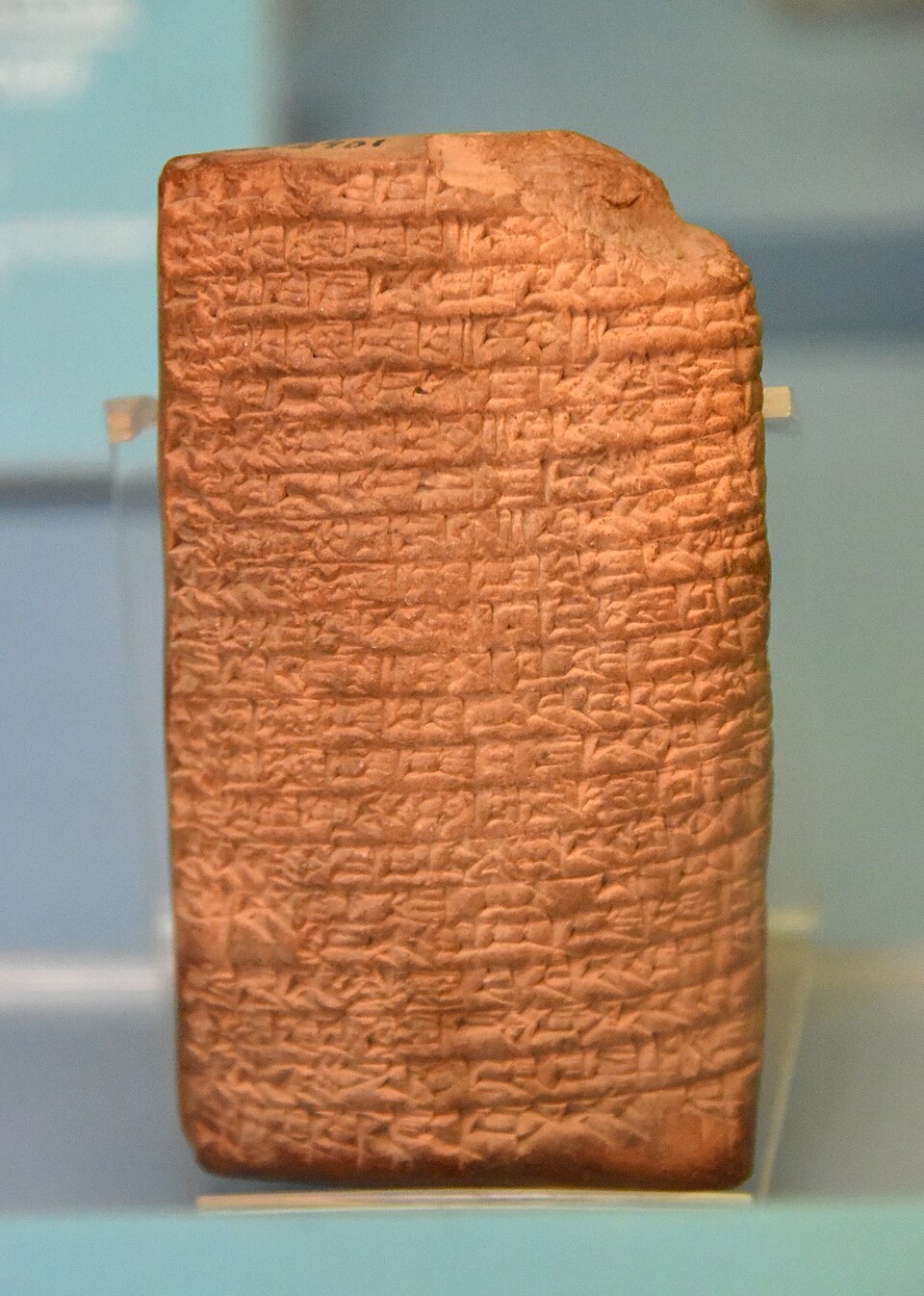
Explore the legacy of Babylonian King Hammurabi, whose legal code from c. 1750 BC enshrined the principle of 'lex talionis' – an eye for an eye. Witness a fragment of his famed stele, revealing how penalties varied strictly by social class, from patrician to slave. Nearby, discover the sprawling cuneiform tablet archive, boasting over 70,000 tablets. Cuneiform, meaning 'wedge-shaped,' originated in Nippur and Uruk around 3200 BC as simple pictographs for bureaucratic accounting – tracking grain, beer, and sheep. It took centuries for scribes to realize this practical tool could record history, myths, and even deep human emotions.
Ancient Love and Forgotten Empires
Uncover human emotion unchanged for millennia with the Istanbul #2461 tablet, recognized by Guinness World Records as the oldest surviving love poem. Dating from c. 2000 BC Nippur, this passionate verse was recited by a priestess to King Shu-Sin during a sacred New Year fertility ritual, its intimate language transcending time. Continue your journey to the Late Bronze Age (1600-1180 BC) with the formidable Hittite Empire. From Central Anatolia, these chariot-driving rivals of Egypt collapsed mysteriously. Their distinct art, featuring monumental, blocky orthostats depicting storm gods, sphinxes, and warrior kings, offers a window into a forgotten superpower's grandeur.
Ready to Explore Istanbul?
Download the Istanbul Smart Guide now and transform your travel experience
Follow these stops in the Istanbul Smart Guide mobile app with offline GPS & interactive AI.
1
Welcome to the Ancient World
📍 Museum Entrance Courtyard.
A brief welcome and introduction to the tour.
2
Sumerian Votive Statues
📍 Ancient Orient Building, early Mesopotamian gallery.
Who were the Sumerians? The wide-eyed statues built for eternal prayer.
3
The Law Code of Hammurabi
📍 Ancient Orient Building, central glass cases.
"An eye for an eye": Reading the original fragment of the famous laws.
4
Cuneiform Tablet Archive
📍 Ancient Orient Building, tablet gallery.
How writing was invented for accounting, not poetry.
5
The Oldest Love Poem
📍 Ancient Orient Building, tablet gallery (Sumerian section).
The Istanbul #2461 tablet; humanizing the ancient world.
6
The Hittite Empire
📍 Ancient Orient Building, Anatolian hall.
The forgotten superpower of Anatolia and their distinct artistic style.
Frequently Asked Questions
What makes the Istanbul Archaeological Museum significant for ancient history?
It houses one of the world's richest collections of artifacts from the Ancient Orient, spanning Mesopotamia, Anatolia, and Egypt, offering insights into civilizations that predated classical Greece and Rome.
Can I see the original Law Code of Hammurabi at the museum?
Yes, the museum displays an original fragment of Hammurabi's famous legal code, dating back to Babylon around 1750 BC, detailing the 'eye for an eye' principle.
How does the audio tour enhance my visit to the Cradle of Civilization exhibition?
Our audio tour provides deep historical context and fascinating stories for each artifact, guiding you through Sumerian statues, cuneiform tablets, and the Hittite Empire, making your visit truly immersive.
What is the oldest love poem and why is it important?
The museum houses a cuneiform tablet (Istanbul #2461) recognized as the oldest surviving love poem, dating to c. 2000 BC. It reveals that human emotions like love have remained unchanged for thousands of years.