




🏛️ Imperial Istanbul Chronicles: From Constantine's Column to the Twilight of the Ottomans
⏳ #13 • 1584 AD • Mimar Sinan's Classical Masterwork
🎬 Watch the first 30 seconds, then listen to the cliffhanger audio teaser ← Explore All App Features
🎬 30-Second AI Historical Video Preview
🎧 Continue Listening — Audio Teaser

“But what truly unfolded within these marble halls? Beyond mere cleansing, Çemberlitaş Hammam offered a profound ritual, a journey of renewal in marble and steam, from the great dome to the soothing scrub. Discover how this living tradition endures. Unlock the full video and audio story in the Istanbul Smart Guide app.”

Unlock the full cinematic video & complete narration in the free Istanbul Smart Guide app.

Çemberlitaş Hammam

Just a stone’s throw from the Column of Constantine stands one of Istanbul’s most iconic bathhouses — Çemberlitaş Hammam, a living monument to Ottoman elegance and tradition.

🎧 Continue Listening — Audio Teaser

“But what truly unfolded within these marble halls? Beyond mere cleansing, Çemberlitaş Hammam offered a profound ritual, a journey of renewal in marble and steam, from the great dome to the soothing scrub. Discover how this living tradition endures. Unlock the full video and audio story in the Istanbul Smart Guide app.”

Where Steam Meets History

Just a stone’s throw from the Column of Constantine stands one of Istanbul’s most iconic bathhouses — Çemberlitaş Hammam, a living monument to Ottoman elegance and tradition.

A Queen’s Vision, a Master’s Design

Commissioned in 1584 by Nurbanu Sultan, the powerful Venetian-born queen mother of Sultan Murad III, the hammam was designed by none other than Mimar Sinan, the imperial architect behind the greatest structures of the classical Ottoman era.

More Than a Bath

This wasn’t just a place for washing — it was a social and cultural hub in the very heart of the empire. During the Ottoman era, the hammam was frequented by both the elite and well-off townspeople, especially merchants, scholars, and women of the palace who came not only to cleanse but to socialize, celebrate births, weddings, or simply escape the pressures of court and city life.

🔒 FULL HISTORICAL NARRATION & VIDEO

Continue Watching & Reading in the App

Scan the QR code on the Floating App Card at the bottom-right of your screen to watch the full AI historical reconstruction video and read the complete story for free.

Download the free Istanbul Smart Guide app on iOS or Android to watch the full AI historical video and read the complete story.

📲 Get the Free App Now
🎧 STEP INSIDE THE MONUMENTS

Explore Our 8 Flagship Interactive Audio Tours

Go beyond the video stories—walk Istanbul's greatest museums and historic districts with offline GPS & interactive AI audio guides.

The Masterpieces of Eternity 🏛️ #1 • Istanbul Archaeological Museum

The Masterpieces of Eternity

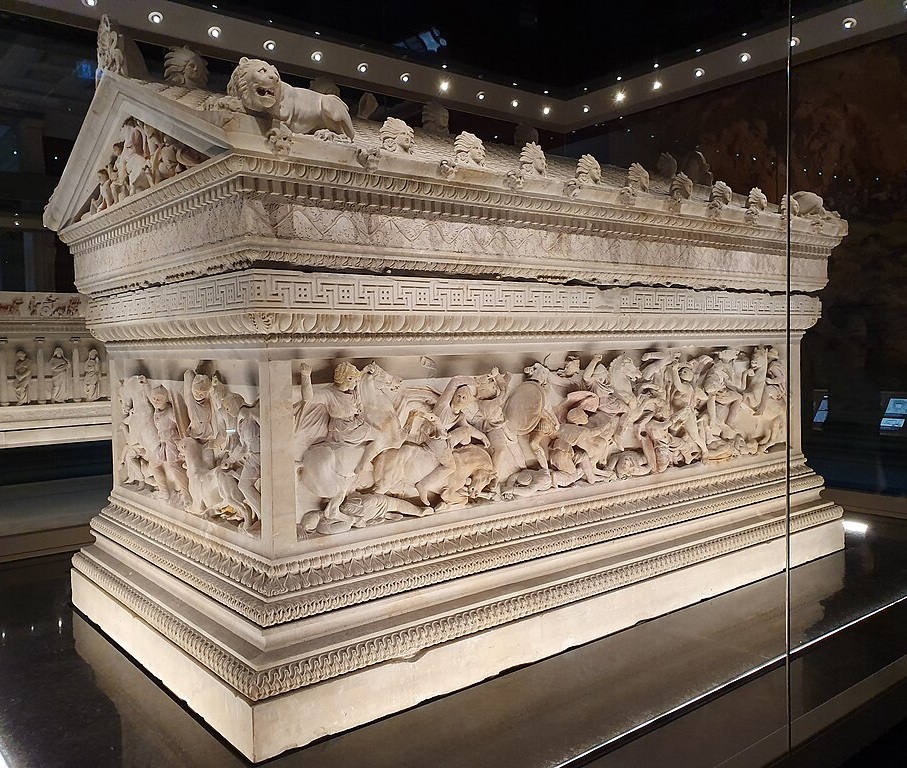
Discover the absolute must-see ancient artifacts, from the world's oldest peace treaty to the stunning Alexander Sarcophagus.

Explore Audio Guide →
Secrets of the Golden Horn 🏛️ #2 • Topkapı Palace

Secrets of the Golden Horn

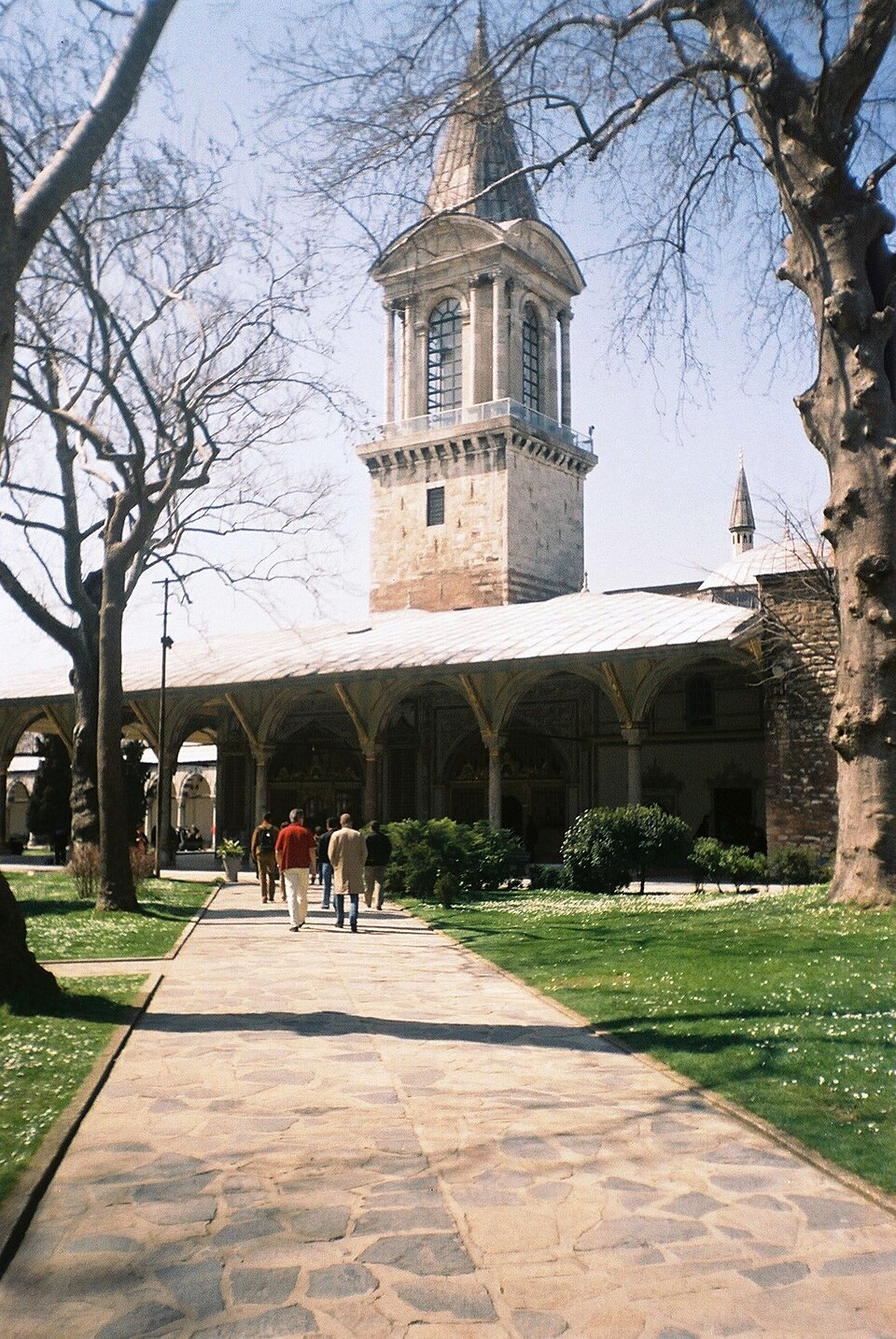
Step into the center of the Ottoman Empire, exploring the grand courtyards, treasury, and sacred relics of the Sultans.

Explore Audio Guide →
The Sunken Forest 🏛️ #3 • The Basilica Cistern

The Sunken Forest

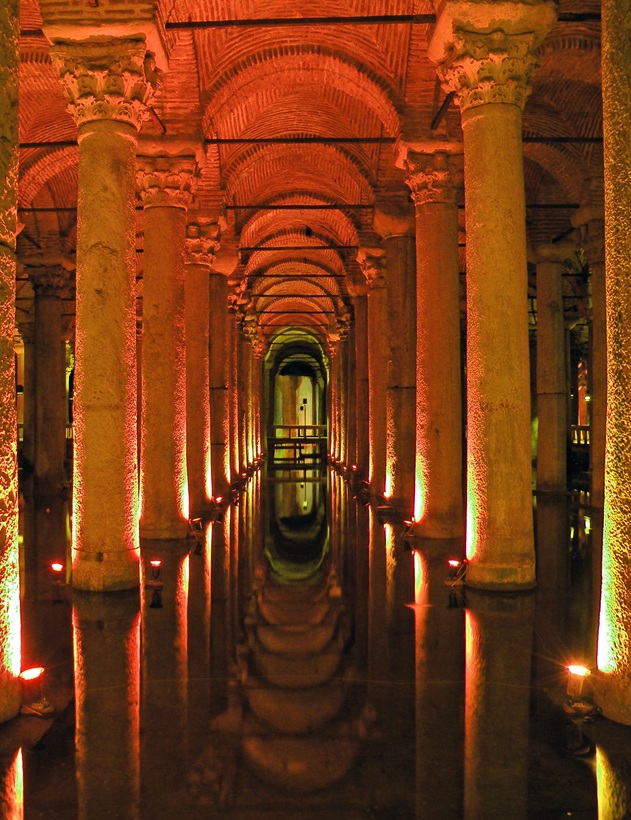
Descend into the mysterious, dimly lit 6th-century subterranean lake and walk among its 336 ancient marble columns.

Explore Audio Guide →
Echoes of Empires 🏛️ #4 • Hagia Sophia

Echoes of Empires

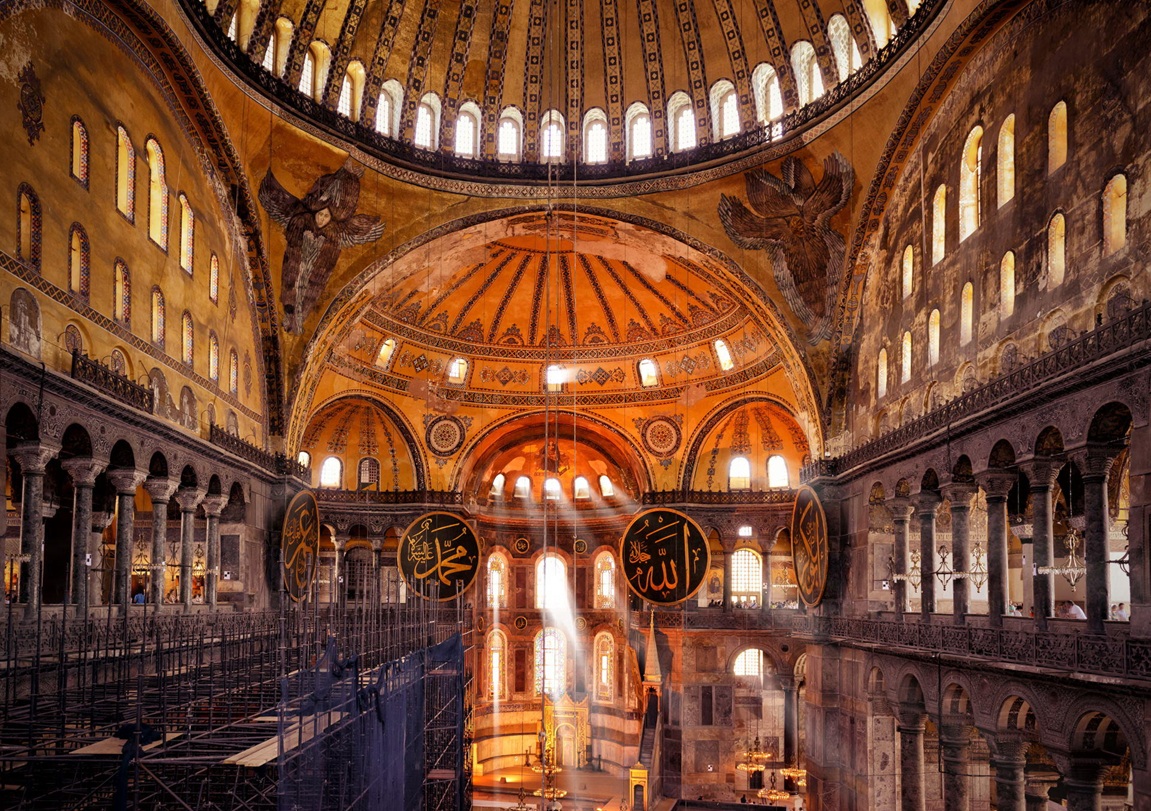
Experience the breathtaking scale of a 1,500-year-old architectural wonder, tracing its dual legacy as a great Byzantine church and imperial Ottoman mosque.

Explore Audio Guide →
The Blood of Empires 🏛️ #5 • Sultanahmet & The Imperial Core

The Blood of Empires

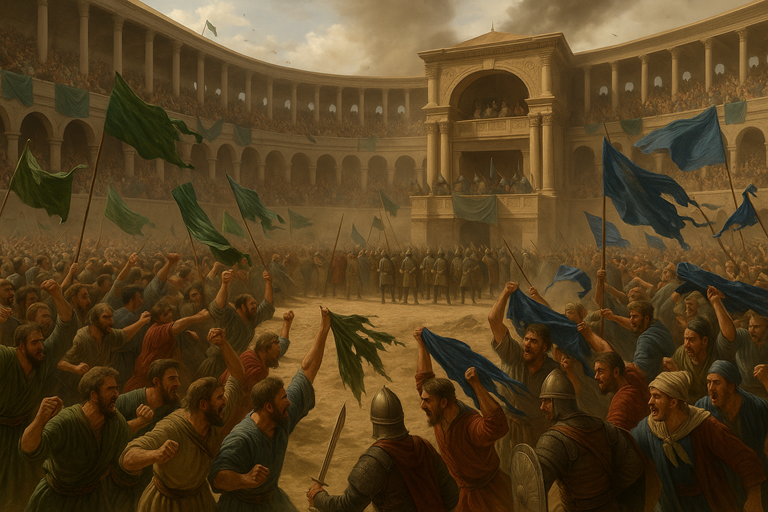
Walk the spine of the ancient city. Decode the chariot factions that sparked the blood-soaked Nika Riots, standing in the shadows of Hagia Sophia.

Explore Audio Guide →
The Merchant Princes 🏛️ #6 • Karaköy & Galata: The Latin Republics

The Merchant Princes

Explore the bustling docks of Karaköy and uncover the fierce Italian trade wars that dominated the Mediterranean wealth.

Explore Audio Guide →
The Belle Époque of the East 🏛️ #7 • Pera & Beyoğlu: Spies, Embassies, and the Orient Express

The Belle Époque of the East

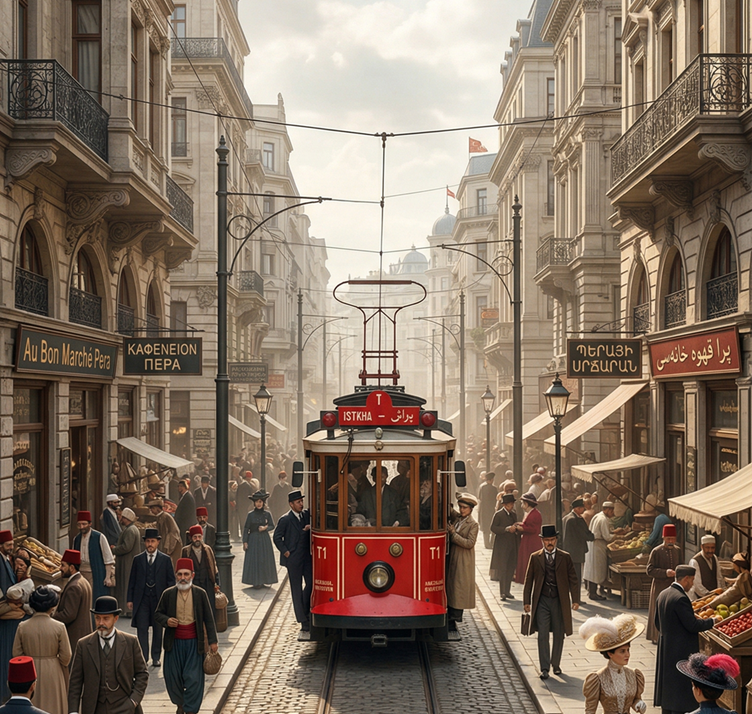
Stroll the elegant İstiklal Avenue alongside the historic red tram and discover the cinematic glamour of 19th-century Pera.

Explore Audio Guide →
The Colors of the Horn 🏛️ #8 • Fener, Balat & Ayvansaray: The Golden Horn Mosaic

The Colors of the Horn

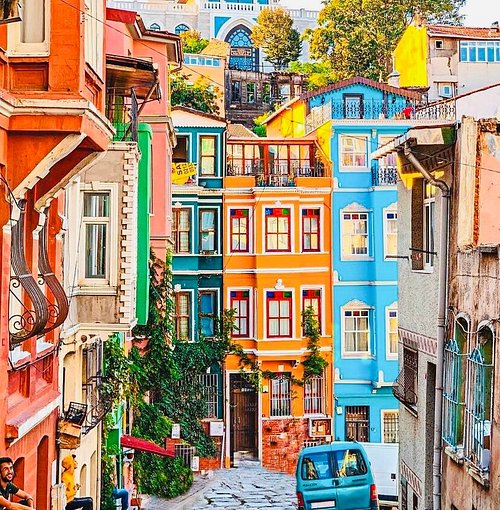
Walk the vibrant, steep cobblestones of Balat and Fener. Marvel at the looming Red School and the incredible Bulgarian Iron Church.

Explore Audio Guide →

Frequently Asked Questions

When was Çemberlitaş Hammam built and by whom?

Çemberlitaş Hammam was commissioned in 1584 by Nurbanu Sultan, the powerful Venetian-born queen mother of Sultan Murad III. It was designed by the imperial architect Mimar Sinan, known for his classical Ottoman era structures.

What was the social significance of Çemberlitaş Hammam during the Ottoman era?

During the Ottoman era, the hammam was more than a bath; it was a vital social and cultural hub. It was frequented by the elite, merchants, scholars, and palace women for cleansing, socializing, and celebrating life events.

How was Çemberlitaş Hammam structured for its visitors?

Çemberlitaş Hammam was split into two symmetrical sections, one for men and one for women. It offered a complete ritual experience, from the warm marble platform under its great dome to the soothing scrub provided by a tellak.

Why does Çemberlitaş Hammam remain popular with modern visitors today?

Its enduring popularity stems from a blend of timeless architecture, authentic atmosphere, and centuries-old rituals still alive within its walls. Modern visitors seek relaxation and a brush with a cultural tradition that has lasted over 400 years.

⏳ Continue the Imperial Istanbul Timeline

🎬 #14 • 1616 AD • Sultan Ahmed I's Imperial Dream

The Blue Mosque: A Dream in Stone and Sky

In the early 17th century, **Sultan Ahmet I**, still a young man, dreamed of leaving behind a monument that would rival — even surpass — the legendary *Hagia Sophia* across the square. Unlike his ancestors who had conquered, Ahmet sought legitimacy through **devotion**. Thus rose the **Sultan Ahmed Mosque**, later known to the world as the **Blue Mosque**.

🎬 #15 • 1600s–1839 • Imperial Garden & Tanzimat Reform

Gülhane Park

Nestled beside the mighty walls of Topkapı Palace, Gülhane Park — meaning “The House of Roses” — traces its origins back to the early 17th century, when it was ordered by Sultan Ahmed I. Intended as an extension of the imperial grounds, Gülhane was a private, secluded paradise, filled with rose gardens, ancient trees, and quiet pavilions — strictly reserved for the sultan, his court, and honored guests.

🎬 #16 • 1664 AD • Fragrant Jewel of the Maritime Trade

Spice Bazaar

In the heart of 17th-century Istanbul, the Spice Bazaar — known locally as Mısır Çarşısı or "Egyptian Bazaar" — stood as a vibrant artery of the empire's trade. Commissioned by Sultan Mehmed III but completed during the reign of his successor, Sultan Mehmed IV in 1664, the bazaar was designed to support the nearby Yeni Mosque complex financially. It earned the name "Egyptian Bazaar" because much of the goods sold there — especially spices and exotic products — arrived through Egypt, then a vital province of the empire.

Istanbul Smart Guide
★★★★★ 4.8 • FREE APP • OFFLINE GPS
Hear Istanbul's Hidden Stories
Your Personal Audio Guide • 10 Languages
🎧 Download