




🏛️ Imperial Istanbul Chronicles: From Constantine's Column to the Twilight of the Ottomans
⏳ #4 • 527 AD • Justinian's Architectural Prototype
🎬 Watch the first 30 seconds, then listen to the cliffhanger audio teaser ← Explore All App Features
🎬 30-Second AI Historical Video Preview
🎧 Continue Listening — Audio Teaser

“But what became of this architectural marvel after the fall of Constantinople? Discover its transformation from a Byzantine church to an Ottoman mosque, and how its spiritual legacy endured through centuries of change. Unlock the full video and audio story in the Istanbul Smart Guide app.”

Unlock the full cinematic video & complete narration in the free Istanbul Smart Guide app.

Little Hagia Sophia

Tucked near the Sea of Marmara in Istanbul’s historical peninsula stands Little Hagia Sophia, once known as the Church of Saints Sergius and Bacchus. It was built between 527 and 536 AD by Emperor Justinian I, just before he commissioned the grand Hagia Sophia. In many ways, this church served as a test model. Its central dome and innovative spatial design were prototypes for what would soon become the architectural marvel of Byzantium.
🎧 Continue Listening — Audio Teaser

“But what became of this architectural marvel after the fall of Constantinople? Discover its transformation from a Byzantine church to an Ottoman mosque, and how its spiritual legacy endured through centuries of change. Unlock the full video and audio story in the Istanbul Smart Guide app.”

A Silent Twin of Greatness

Tucked near the Sea of Marmara in Istanbul’s historical peninsula stands Little Hagia Sophia, once known as the Church of Saints Sergius and Bacchus. It was built between 527 and 536 AD by Emperor Justinian I, just before he commissioned the grand Hagia Sophia. In many ways, this church served as a test model. Its central dome and innovative spatial design were prototypes for what would soon become the architectural marvel of Byzantium.
A Bridge Between Eras

What makes it unique among Byzantine churches is precisely this role: an experimental structure that bridged classical Roman forms with what would become defining traits of Byzantine sacred architecture. Its intimate scale, octagonal nave, and decorative capitals speak of both ambition and elegance.

Wisdom, Not a Woman

Despite the name, Hagia Sophia isn’t a person. It means “Holy Wisdom,” a theological concept personified in Christ by early Christians. So, neither the great nor the little Hagia Sophia were named after a woman, but after divine wisdom.

🔒 FULL HISTORICAL NARRATION & VIDEO

Continue Watching & Reading in the App

Scan the QR code on the Floating App Card at the bottom-right of your screen to watch the full AI historical reconstruction video and read the complete story for free.

Download the free Istanbul Smart Guide app on iOS or Android to watch the full AI historical video and read the complete story.

📲 Get the Free App Now
🎧 STEP INSIDE THE MONUMENTS

Explore Our 8 Flagship Interactive Audio Tours

Go beyond the video stories—walk Istanbul's greatest museums and historic districts with offline GPS & interactive AI audio guides.

The Masterpieces of Eternity 🏛️ #1 • Istanbul Archaeological Museum

The Masterpieces of Eternity

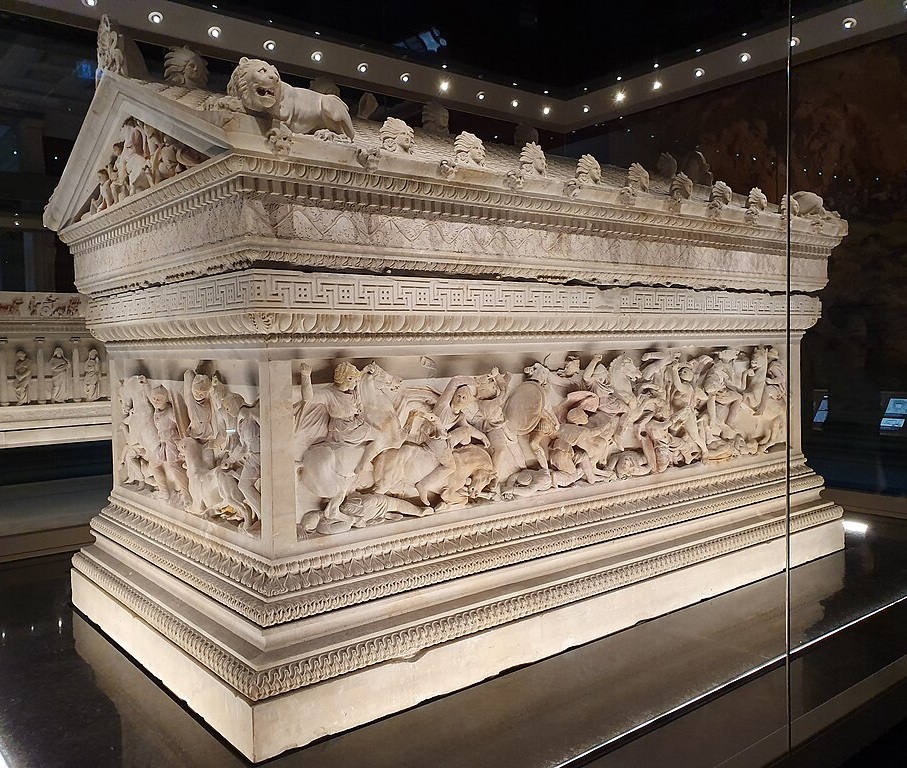
Discover the absolute must-see ancient artifacts, from the world's oldest peace treaty to the stunning Alexander Sarcophagus.

Explore Audio Guide →
Secrets of the Golden Horn 🏛️ #2 • Topkapı Palace

Secrets of the Golden Horn

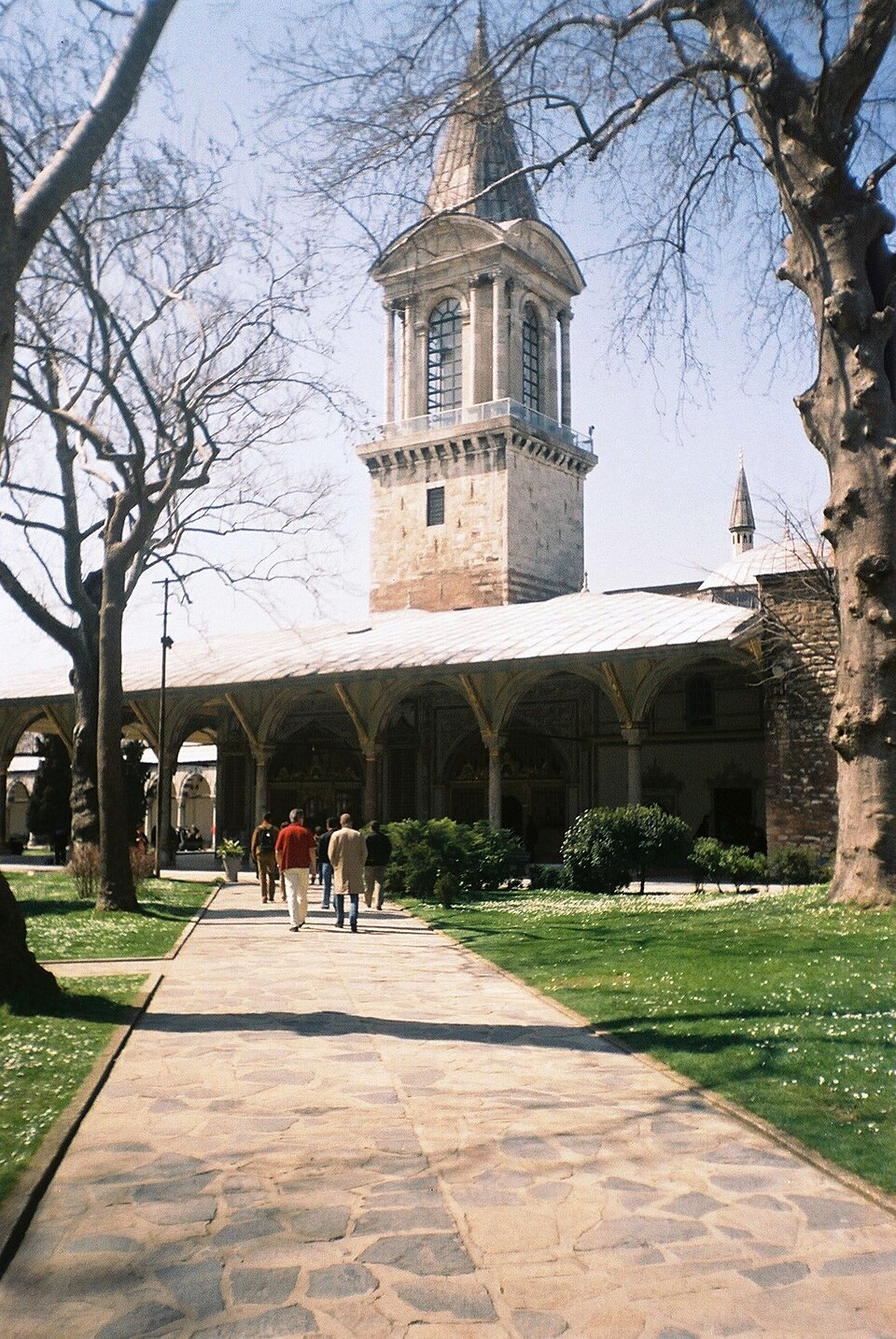
Step into the center of the Ottoman Empire, exploring the grand courtyards, treasury, and sacred relics of the Sultans.

Explore Audio Guide →
The Sunken Forest 🏛️ #3 • The Basilica Cistern

The Sunken Forest

Descend into the mysterious, dimly lit 6th-century subterranean lake and walk among its 336 ancient marble columns.

Explore Audio Guide →
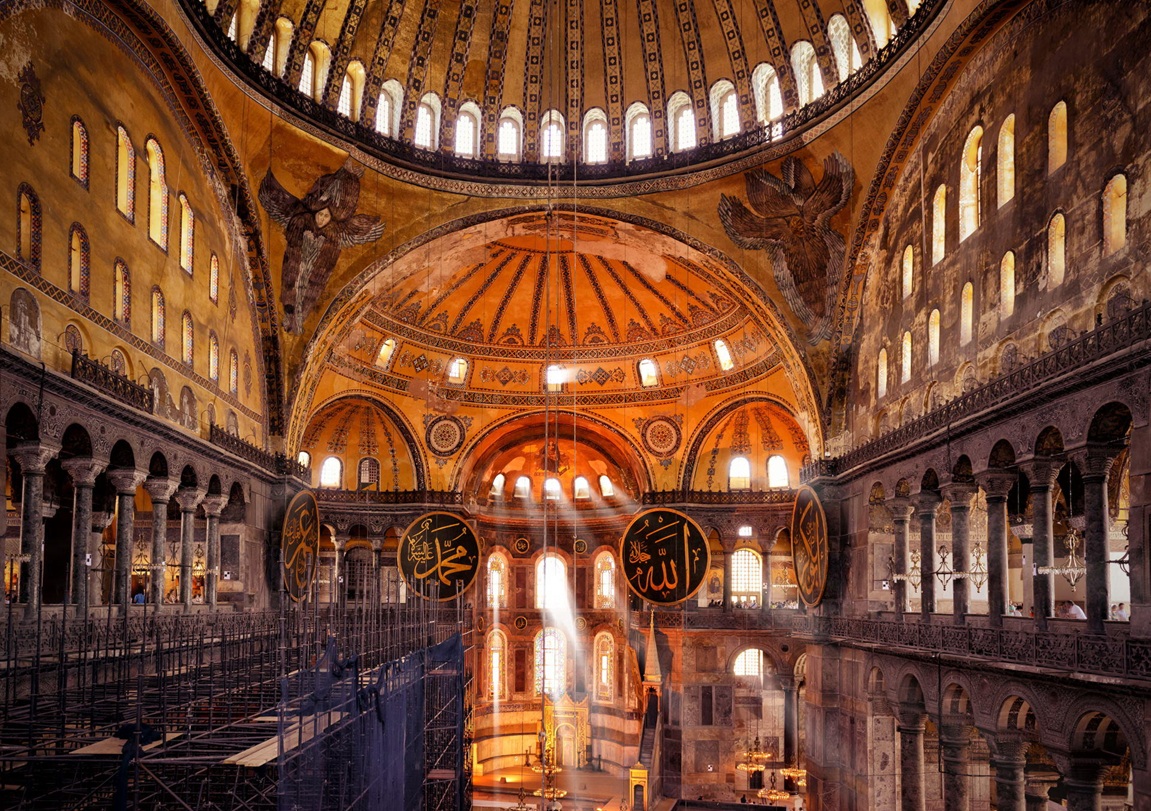
Echoes of Empires 🏛️ #4 • Hagia Sophia

Echoes of Empires

Experience the breathtaking scale of a 1,500-year-old architectural wonder, tracing its dual legacy as a great Byzantine church and imperial Ottoman mosque.

Explore Audio Guide →
The Blood of Empires 🏛️ #5 • Sultanahmet & The Imperial Core

The Blood of Empires

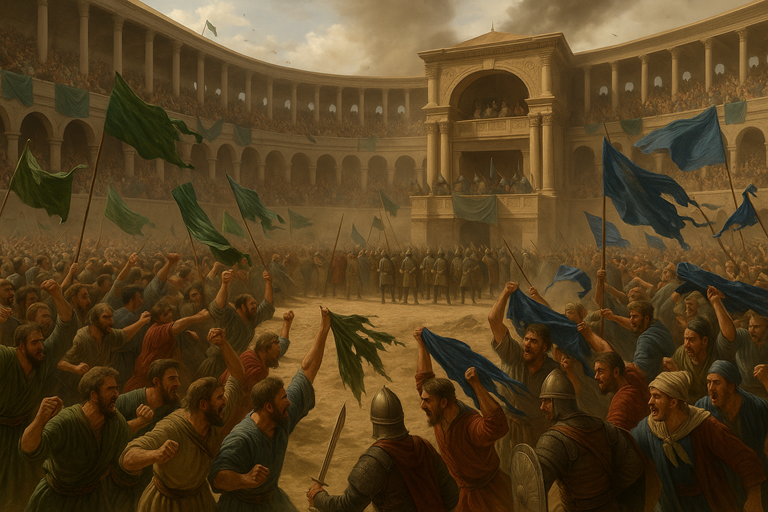
Walk the spine of the ancient city. Decode the chariot factions that sparked the blood-soaked Nika Riots, standing in the shadows of Hagia Sophia.

Explore Audio Guide →
The Merchant Princes 🏛️ #6 • Karaköy & Galata: The Latin Republics

The Merchant Princes

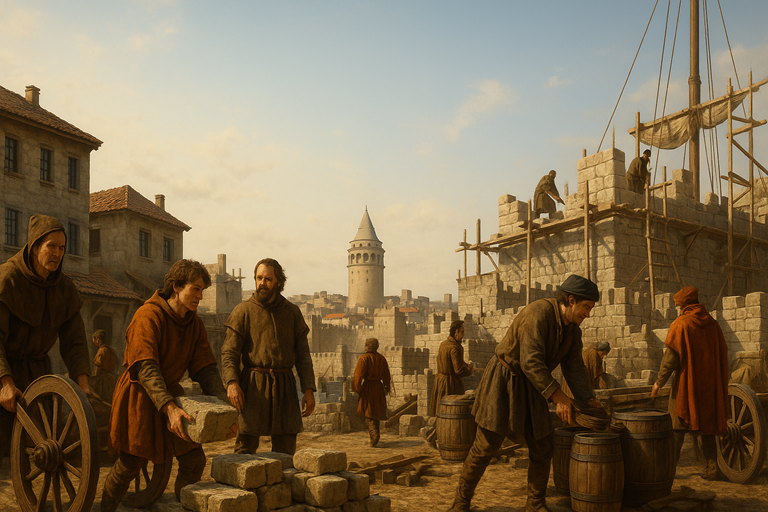
Explore the bustling docks of Karaköy and uncover the fierce Italian trade wars that dominated the Mediterranean wealth.

Explore Audio Guide →
The Belle Époque of the East 🏛️ #7 • Pera & Beyoğlu: Spies, Embassies, and the Orient Express

The Belle Époque of the East

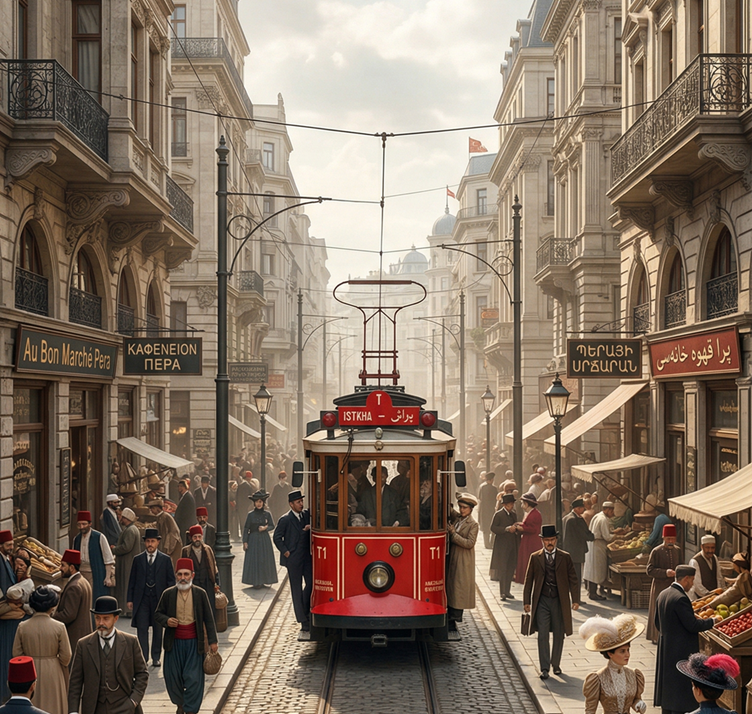
Stroll the elegant İstiklal Avenue alongside the historic red tram and discover the cinematic glamour of 19th-century Pera.

Explore Audio Guide →
The Colors of the Horn 🏛️ #8 • Fener, Balat & Ayvansaray: The Golden Horn Mosaic

The Colors of the Horn

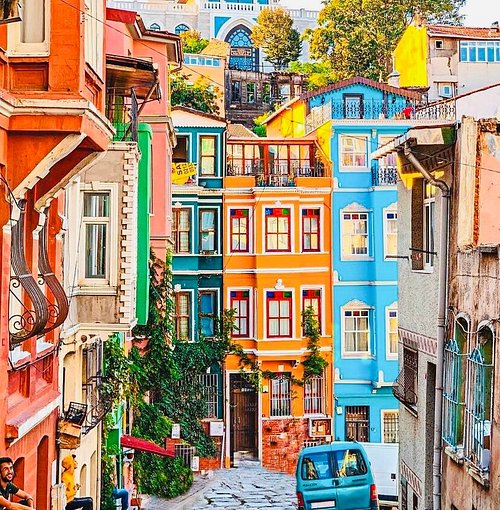
Walk the vibrant, steep cobblestones of Balat and Fener. Marvel at the looming Red School and the incredible Bulgarian Iron Church.

Explore Audio Guide →

Frequently Asked Questions

Why is Little Hagia Sophia considered unique among Byzantine churches?

It is unique for its role as an experimental structure, bridging classical Roman forms with defining traits of Byzantine sacred architecture. Its intimate scale, octagonal nave, and decorative capitals showcase both ambition and elegance.

What does "Hagia Sophia" mean?

"Hagia Sophia" means "Holy Wisdom," a theological concept personified in Christ by early Christians. Neither the great nor the little Hagia Sophia were named after a woman, but after this divine wisdom.

What happened to Little Hagia Sophia after the Ottoman conquest?

After the Ottoman conquest in 1453, the church was converted into a mosque, Küçük Ayasofya Camii. The Ottomans preserved its core structure, adding Islamic elements like a minaret and mihrab, integrating it into their culture.

⏳ Continue the Imperial Istanbul Timeline

🎬 #5 • 532 AD • Justinian's Sunken Palace

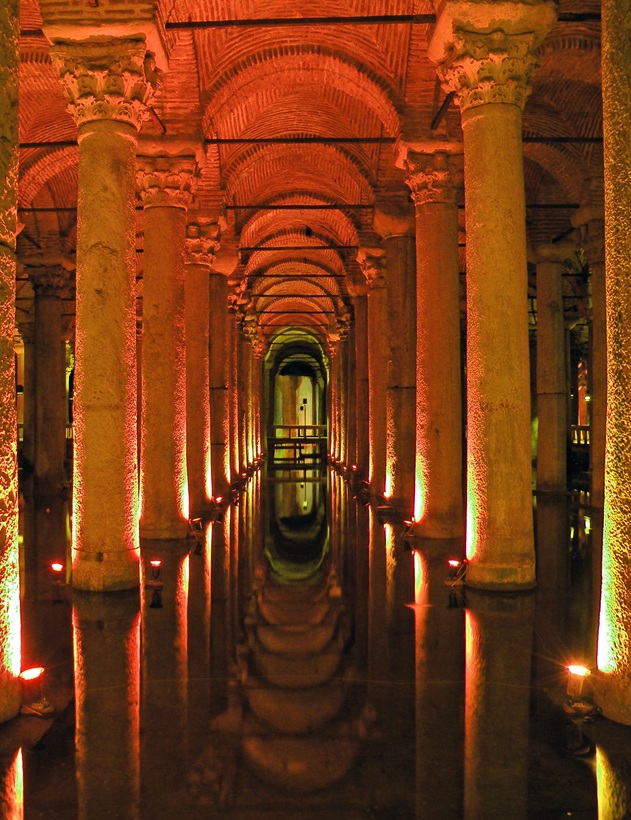
Basilica Cistern

Beneath the bustling streets of Istanbul’s old city lies a silent forest of stone — the Basilica Cistern, known to the Ottomans as Yerebatan Sarnıcı, the "Sunken Palace." It was built in the 6th century during the reign of Emperor Justinian I, at a time when Constantinople was thriving. The city’s booming population and growing palaces demanded a more reliable water supply, especially during sieges.

🎬 #6 • 14th Century • Late Byzantine Renaissance

Chora Church

Tucked away in Istanbul’s Edirnekapı district, the Chora Church, today known as Kariye Mosque which is one of the finest surviving examples of Byzantine art and architecture. Originally built as a monastery church outside Constantinople’s city walls in the 4th century, it took its current form largely in the early 14th century, under the patronage of the powerful Byzantine statesman Theodore Metochites.

🎬 #7 • Byzantine & Ottoman • Isles of Imperial Exile

Büyükada

Just an hour’s ferry ride from the heart of Istanbul, Büyükada—the largest of the Princes’ Islands—offers a unique escape into history and nature. The island’s story begins as early as the 4th century, during the Byzantine era, when it became a place of exile for members of the imperial family. Princes, empresses, and patriarchs who fell out of favor were banished here, far from the intrigues of Constantinople. This somber legacy gave the islands their enduring name: the Princes’ Islands.

Istanbul Smart Guide
★★★★★ 4.8 • FREE APP • OFFLINE GPS
Hear Istanbul's Hidden Stories
Your Personal Audio Guide • 10 Languages
🎧 Download