





🏛️ Imperial Istanbul Chronicles: From Constantine's Column to the Twilight of the Ottomans
⏳ #11 • 1455 AD • Heart of Imperial Commerce
🎬 Watch the first 30 seconds, then listen to the cliffhanger audio teaser ← Explore All App Features
🎬 30-Second AI Historical Video Preview
🎧 Continue Listening — Audio Teaser

“But what wonders truly flowed through its ancient gates? Spices, silks, and gems arrived from distant lands, while the Bazaar endured devastating fires and earthquakes, always rising stronger. Discover its global reach and incredible resilience. Unlock the complete video and audio guide in the Istanbul Smart Guide app.”

Unlock the full cinematic video & complete narration in the free Istanbul Smart Guide app.

Grand Bazaar

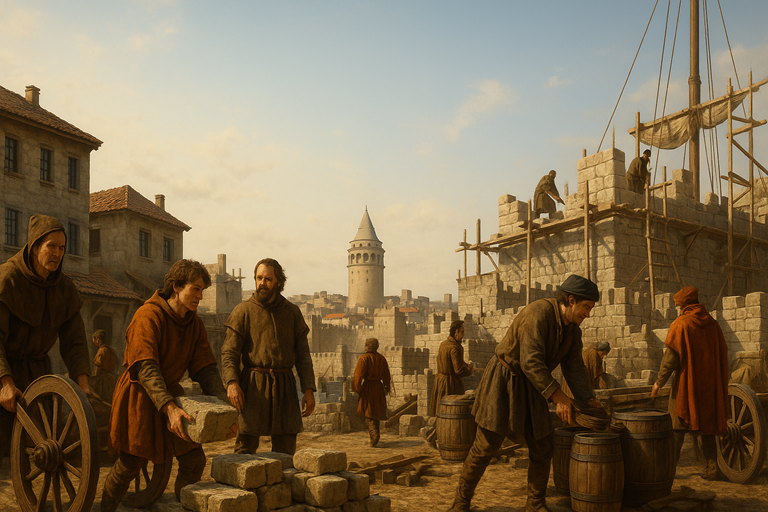
Nestled at the center of Istanbul's old city, the Grand Bazaar, or Kapalıçarşı, is one of the oldest and most legendary marketplaces in the world. Its foundations were laid shortly after the Ottoman conquest of Constantinople — Sultan Mehmed II, the famed "Conqueror," ordered its construction around 1455, aiming to turn the city into a flourishing hub of international trade.
🎧 Continue Listening — Audio Teaser

“But what wonders truly flowed through its ancient gates? Spices, silks, and gems arrived from distant lands, while the Bazaar endured devastating fires and earthquakes, always rising stronger. Discover its global reach and incredible resilience. Unlock the complete video and audio guide in the Istanbul Smart Guide app.”

The Beating Heart of Ottoman Commerce

Nestled at the center of Istanbul's old city, the Grand Bazaar, or Kapalıçarşı, is one of the oldest and most legendary marketplaces in the world. Its foundations were laid shortly after the Ottoman conquest of Constantinople — Sultan Mehmed II, the famed "Conqueror," ordered its construction around 1455, aiming to turn the city into a flourishing hub of international trade.
A Jewel of Suleiman’s Era

By the 16th century, during the reign of Suleiman the Magnificent, the Grand Bazaar had expanded dramatically, becoming the empire’s commercial crown jewel. At its peak, its trade volume rivaled — and often surpassed — the great markets of Venice, Cairo, and Samarkand. It wasn't just a marketplace; it was a world of its own — a vibrant, living network where fortunes were made, and global commerce converged.

A Marketplace of Wonders

Inside the Bazaar’s maze-like streets, merchants sold an astonishing variety of goods. Silks and velvets from Persia, spices from India, ivory from Africa, and precious stones from Central Asia dazzled visitors. Over time, Ottoman craftsmanship also flourished here: master goldsmiths, leather workers, and carpet weavers transformed raw goods into coveted treasures.

Foreign Trade and Regulation

Foreign merchants were welcomed — but under careful conditions. Their right to trade was established by solemn agreements called ahitnames, treaties signed between the Ottoman Sultan and foreign rulers. Thanks to these ahitnames — and the privileges contained within them, known as capitulations — merchants from places like Venice and France gained access to Ottoman markets. Individual merchants, in turn, had to obtain personal licenses called berats, allowing them to operate their businesses within the Grand Bazaar’s vibrant halls.

🔒 FULL HISTORICAL NARRATION & VIDEO

Continue Watching & Reading in the App

Scan the QR code on the Floating App Card at the bottom-right of your screen to watch the full AI historical reconstruction video and read the complete story for free.

Download the free Istanbul Smart Guide app on iOS or Android to watch the full AI historical video and read the complete story.

📲 Get the Free App Now
🎧 STEP INSIDE THE MONUMENTS

Explore Our 8 Flagship Interactive Audio Tours

Go beyond the video stories—walk Istanbul's greatest museums and historic districts with offline GPS & interactive AI audio guides.

The Masterpieces of Eternity 🏛️ #1 • Istanbul Archaeological Museum

The Masterpieces of Eternity

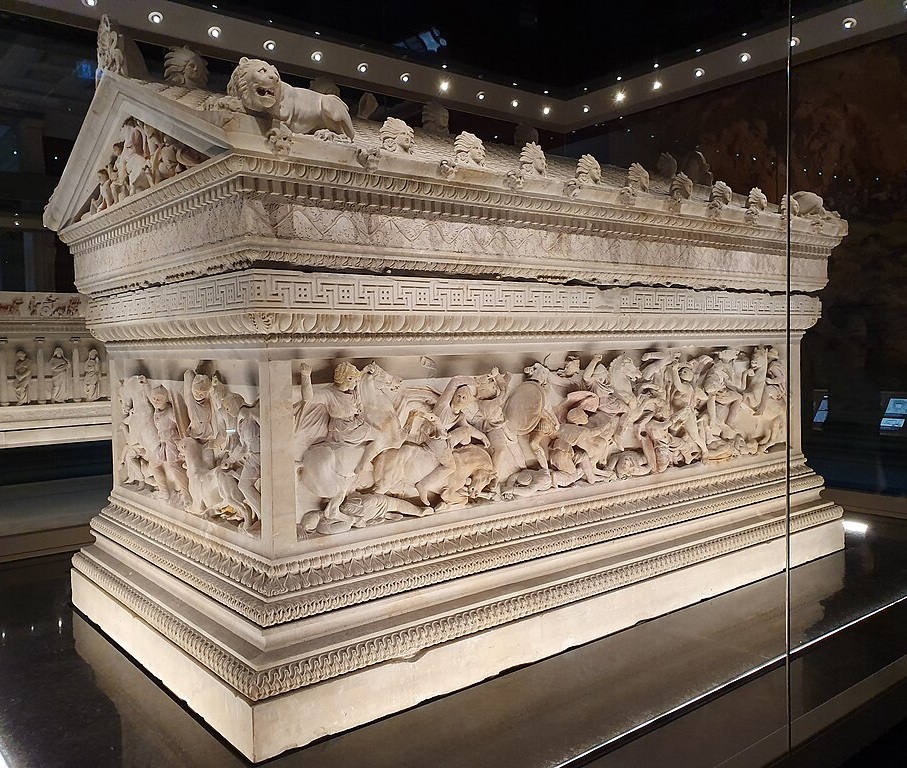
Discover the absolute must-see ancient artifacts, from the world's oldest peace treaty to the stunning Alexander Sarcophagus.

Explore Audio Guide →
Secrets of the Golden Horn 🏛️ #2 • Topkapı Palace

Secrets of the Golden Horn

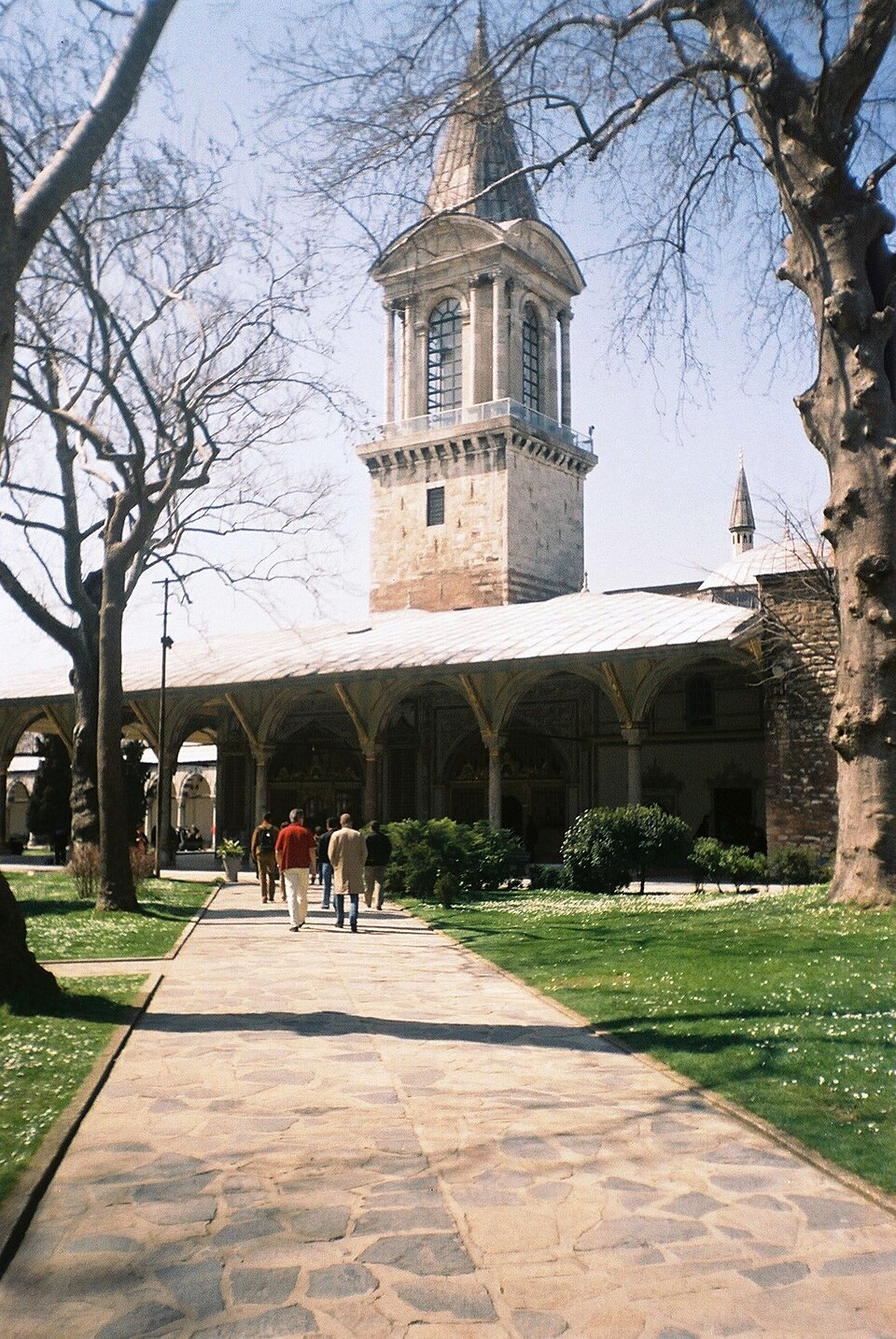
Step into the center of the Ottoman Empire, exploring the grand courtyards, treasury, and sacred relics of the Sultans.

Explore Audio Guide →
The Sunken Forest 🏛️ #3 • The Basilica Cistern

The Sunken Forest

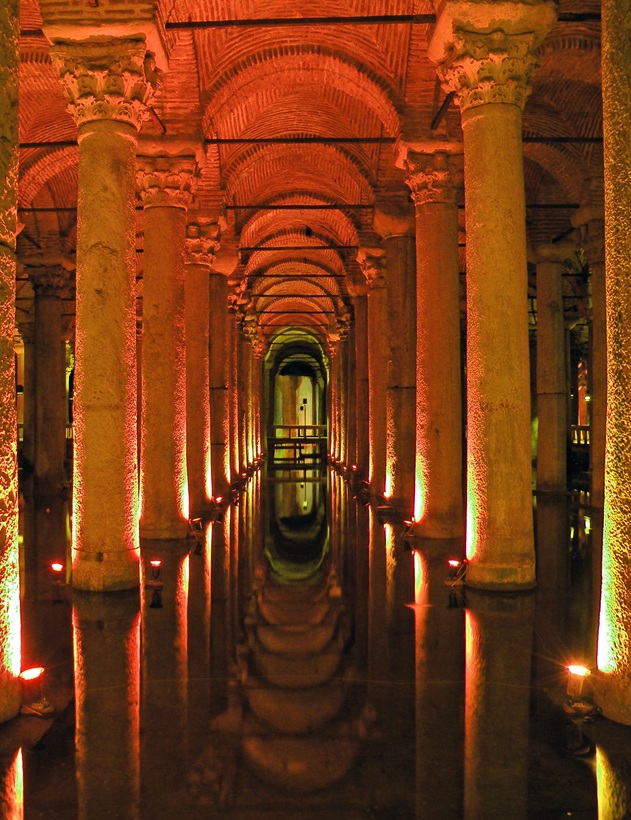
Descend into the mysterious, dimly lit 6th-century subterranean lake and walk among its 336 ancient marble columns.

Explore Audio Guide →
Echoes of Empires 🏛️ #4 • Hagia Sophia

Echoes of Empires

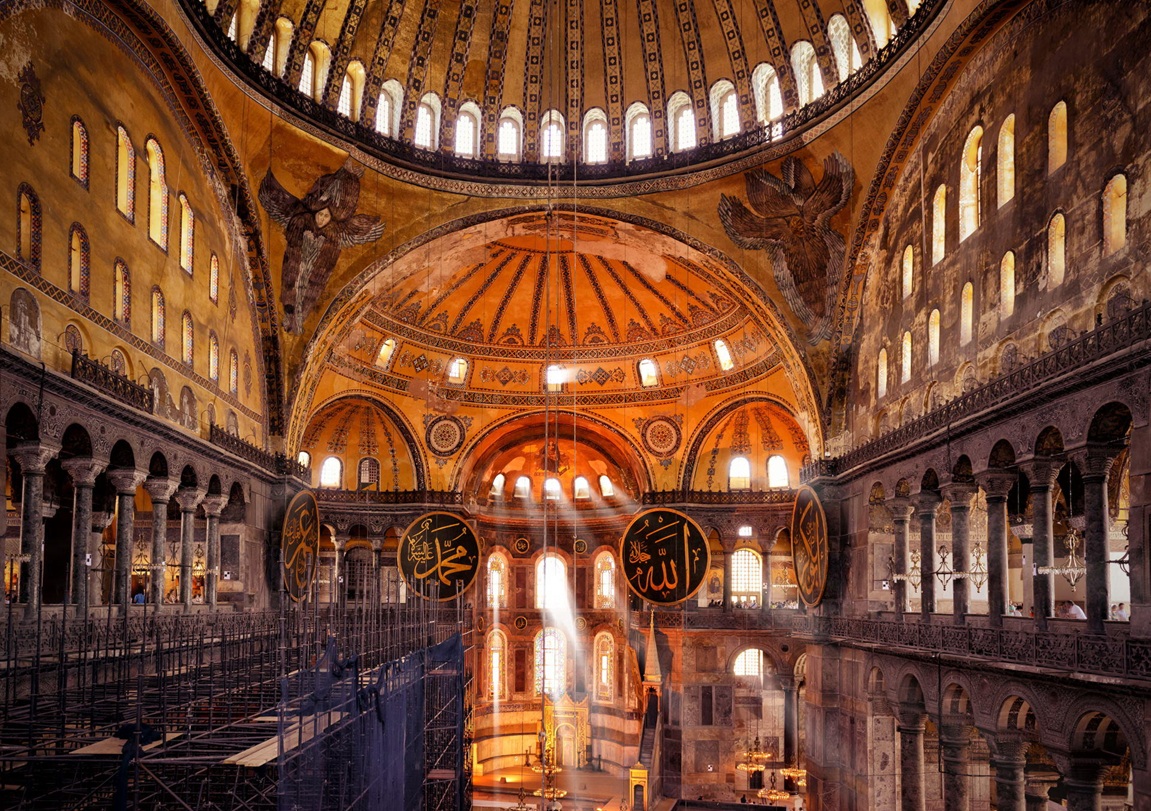
Experience the breathtaking scale of a 1,500-year-old architectural wonder, tracing its dual legacy as a great Byzantine church and imperial Ottoman mosque.

Explore Audio Guide →
The Blood of Empires 🏛️ #5 • Sultanahmet & The Imperial Core

The Blood of Empires

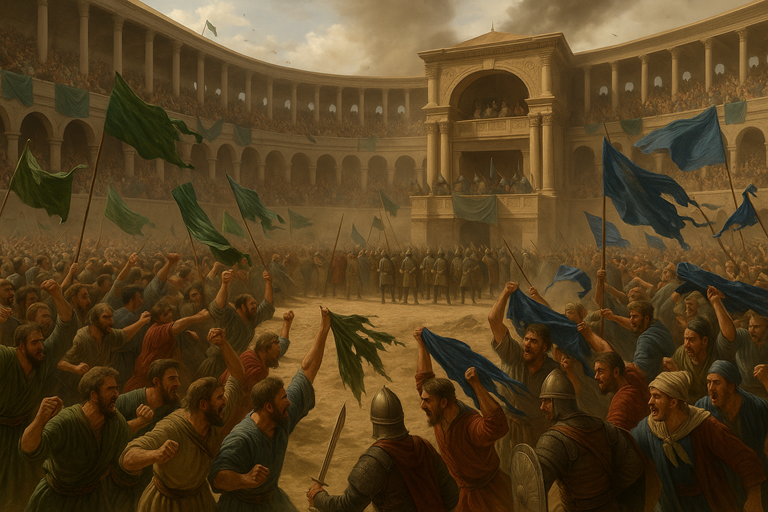
Walk the spine of the ancient city. Decode the chariot factions that sparked the blood-soaked Nika Riots, standing in the shadows of Hagia Sophia.

Explore Audio Guide →
The Merchant Princes 🏛️ #6 • Karaköy & Galata: The Latin Republics

The Merchant Princes

Explore the bustling docks of Karaköy and uncover the fierce Italian trade wars that dominated the Mediterranean wealth.

Explore Audio Guide →
The Belle Époque of the East 🏛️ #7 • Pera & Beyoğlu: Spies, Embassies, and the Orient Express

The Belle Époque of the East

Stroll the elegant İstiklal Avenue alongside the historic red tram and discover the cinematic glamour of 19th-century Pera.

Explore Audio Guide →
The Colors of the Horn 🏛️ #8 • Fener, Balat & Ayvansaray: The Golden Horn Mosaic

The Colors of the Horn

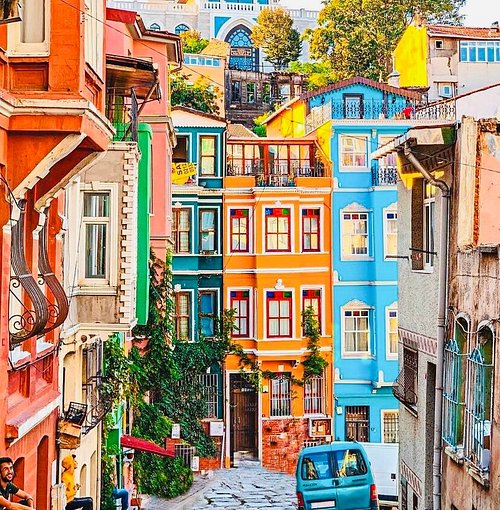
Walk the vibrant, steep cobblestones of Balat and Fener. Marvel at the looming Red School and the incredible Bulgarian Iron Church.

Explore Audio Guide →

Frequently Asked Questions

When was the Grand Bazaar founded and by whom?

The Grand Bazaar's foundations were laid around 1455 by Sultan Mehmed II, the "Conqueror," shortly after the Ottoman conquest of Constantinople. He aimed to establish the city as a major international trade hub.

How did the Grand Bazaar expand during Suleiman the Magnificent's reign?

By the 16th century, under Suleiman the Magnificent, the Grand Bazaar expanded dramatically, becoming the empire’s commercial crown jewel. Its trade volume rivaled and often surpassed major markets like Venice and Cairo.

What types of goods were sold in the Grand Bazaar?

The Grand Bazaar offered an astonishing variety of goods, including silks from Persia, spices from India, ivory from Africa, and precious stones from Central Asia. Ottoman craftsmanship like goldsmithing and carpet weaving also flourished.

How were foreign merchants regulated in the Grand Bazaar?

Foreign merchants traded under careful conditions. Their rights were established by ahitnames (treaties) with the Sultan, granting privileges called capitulations. Individual merchants also needed personal licenses, called berats, to operate their businesses.

⏳ Continue the Imperial Istanbul Timeline

Istanbul Smart Guide
★★★★★ 4.8 • FREE APP • OFFLINE GPS
Hear Istanbul's Hidden Stories
Your Personal Audio Guide • 10 Languages
🎧 Download