





🏛️ Imperial Istanbul Chronicles: From Constantine's Column to the Twilight of the Ottomans
⏳ #15 • 1600s–1839 • Imperial Garden & Tanzimat Reform
🎬 Watch the first 30 seconds, then listen to the cliffhanger audio teaser ← Explore All App Features
🎬 30-Second AI Historical Video Preview
🎧 Continue Listening — Audio Teaser

“But Gülhane's story doesn't end there. Discover its lavish Tulip Era festivities and the historic moment its gates finally opened to the public. Uncover these secrets and more. Unlock the full video and audio story in the Istanbul Smart Guide app.”

Unlock the full cinematic video & complete narration in the free Istanbul Smart Guide app.

Gülhane Park

Nestled beside the mighty walls of Topkapı Palace, Gülhane Park — meaning “The House of Roses” — traces its origins back to the early 17th century, when it was ordered by Sultan Ahmed I. Intended as an extension of the imperial grounds, Gülhane was a private, secluded paradise, filled with rose gardens, ancient trees, and quiet pavilions — strictly reserved for the sultan, his court, and honored guests.
🎧 Continue Listening — Audio Teaser

“But Gülhane's story doesn't end there. Discover its lavish Tulip Era festivities and the historic moment its gates finally opened to the public. Uncover these secrets and more. Unlock the full video and audio story in the Istanbul Smart Guide app.”

From Imperial Garden to People's Promenade

Nestled beside the mighty walls of Topkapı Palace, Gülhane Park — meaning “The House of Roses” — traces its origins back to the early 17th century, when it was ordered by Sultan Ahmed I. Intended as an extension of the imperial grounds, Gülhane was a private, secluded paradise, filled with rose gardens, ancient trees, and quiet pavilions — strictly reserved for the sultan, his court, and honored guests.
Privilege and Exclusion

For centuries, ordinary people were forbidden to enter. The park symbolized imperial privilege, a world apart from the busy streets of old Constantinople.

A Silent Witness to Reform

But Gülhane was not just a retreat; it became a silent witness to major historical change. On a pivotal day in 1839, it was here, under the grand plane trees, that the Tanzimat Edict was proclaimed — a groundbreaking decree that aimed to modernize the Ottoman Empire, promising rights and reforms to its citizens. It was a moment that echoed far beyond the garden walls.

🔒 FULL HISTORICAL NARRATION & VIDEO

Continue Watching & Reading in the App

Scan the QR code on the Floating App Card at the bottom-right of your screen to watch the full AI historical reconstruction video and read the complete story for free.

Download the free Istanbul Smart Guide app on iOS or Android to watch the full AI historical video and read the complete story.

📲 Get the Free App Now
🎧 STEP INSIDE THE MONUMENTS

Explore Our 8 Flagship Interactive Audio Tours

Go beyond the video stories—walk Istanbul's greatest museums and historic districts with offline GPS & interactive AI audio guides.

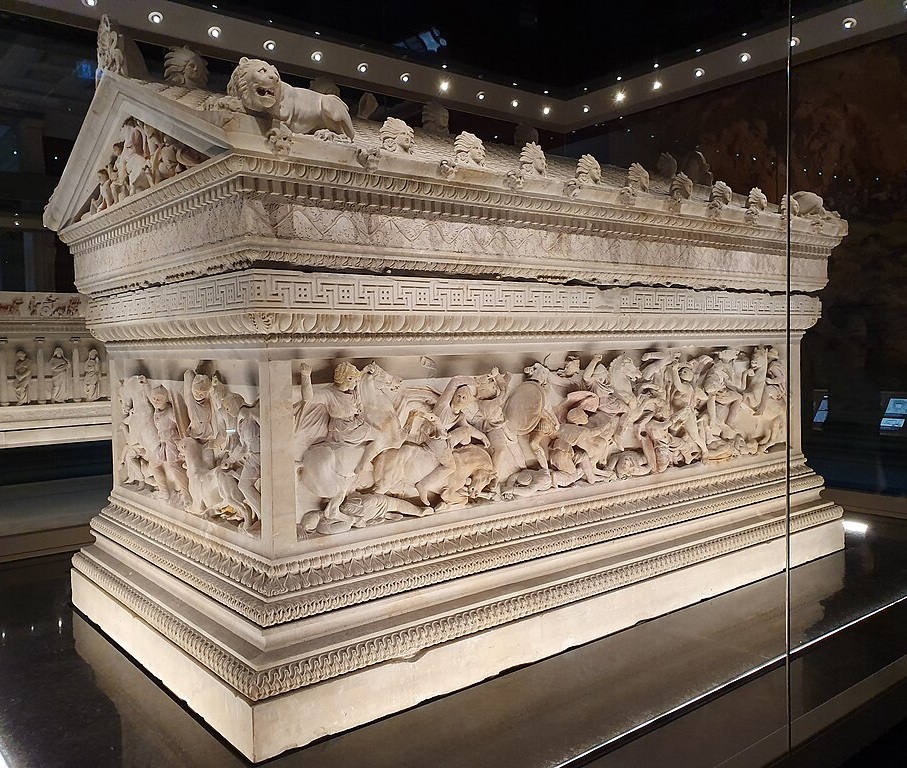
The Masterpieces of Eternity 🏛️ #1 • Istanbul Archaeological Museum

The Masterpieces of Eternity

Discover the absolute must-see ancient artifacts, from the world's oldest peace treaty to the stunning Alexander Sarcophagus.

Explore Audio Guide →
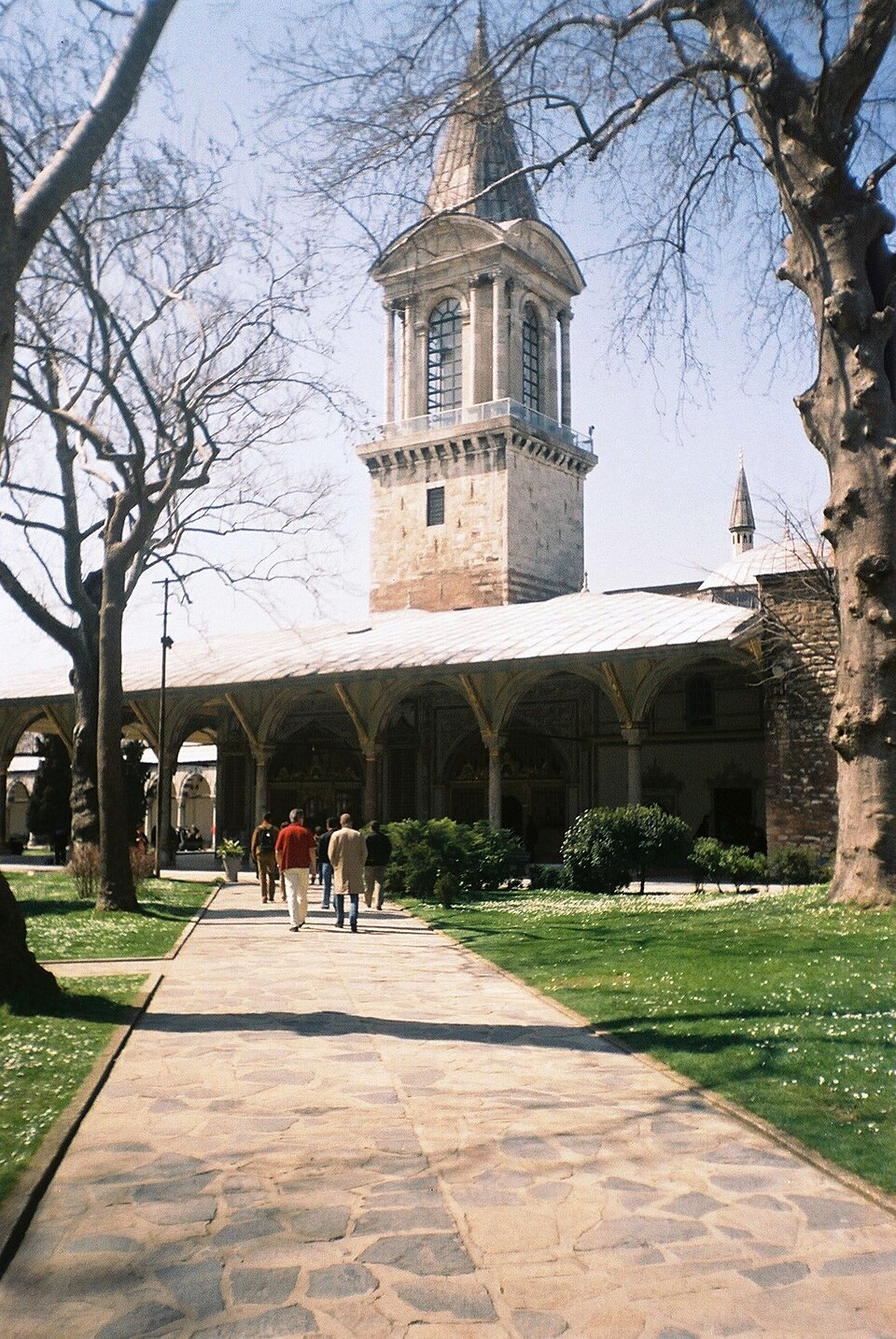
Secrets of the Golden Horn 🏛️ #2 • Topkapı Palace

Secrets of the Golden Horn

Step into the center of the Ottoman Empire, exploring the grand courtyards, treasury, and sacred relics of the Sultans.

Explore Audio Guide →
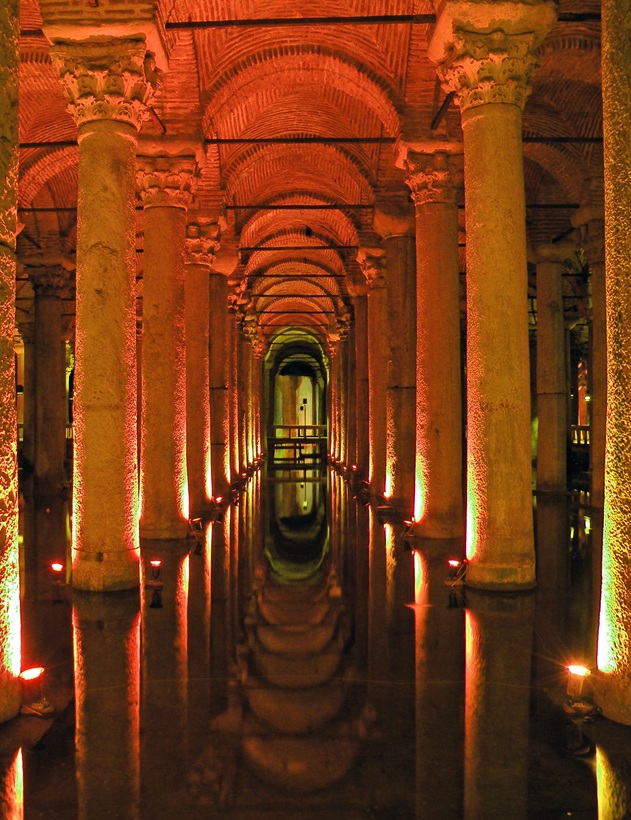
The Sunken Forest 🏛️ #3 • The Basilica Cistern

The Sunken Forest

Descend into the mysterious, dimly lit 6th-century subterranean lake and walk among its 336 ancient marble columns.

Explore Audio Guide →
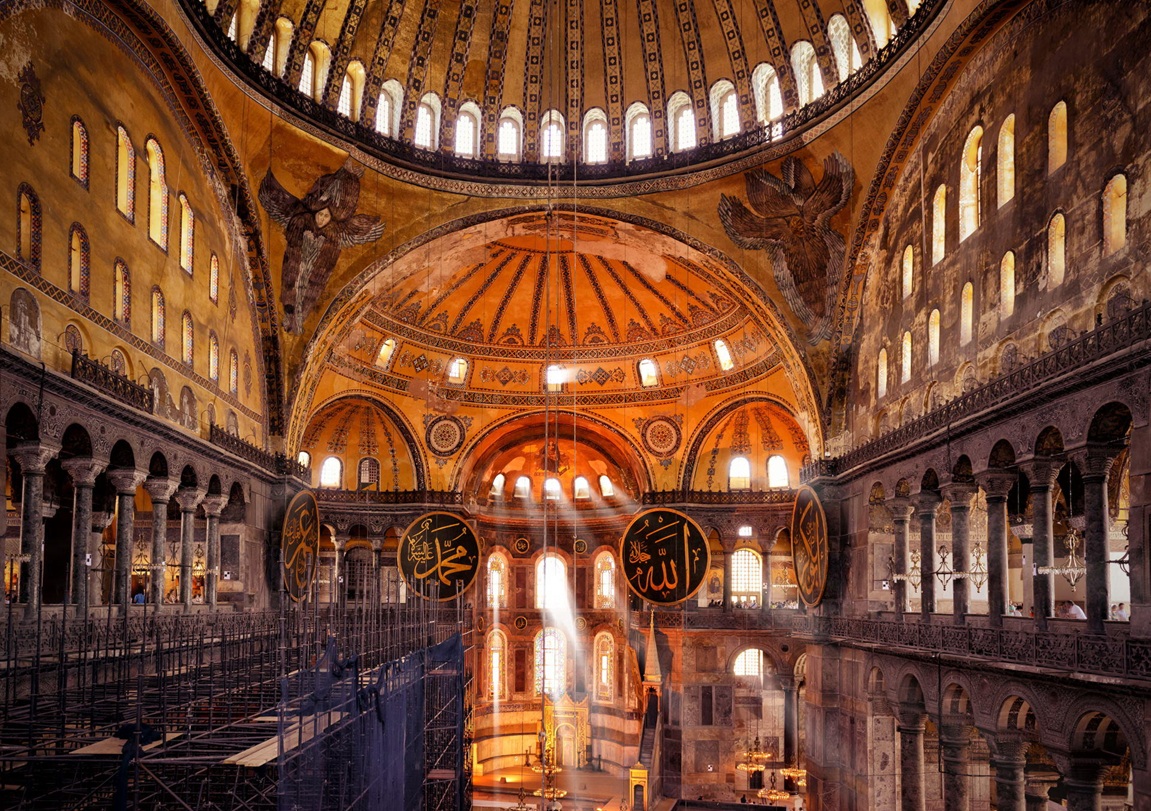
Echoes of Empires 🏛️ #4 • Hagia Sophia

Echoes of Empires

Experience the breathtaking scale of a 1,500-year-old architectural wonder, tracing its dual legacy as a great Byzantine church and imperial Ottoman mosque.

Explore Audio Guide →
The Blood of Empires 🏛️ #5 • Sultanahmet & The Imperial Core

The Blood of Empires

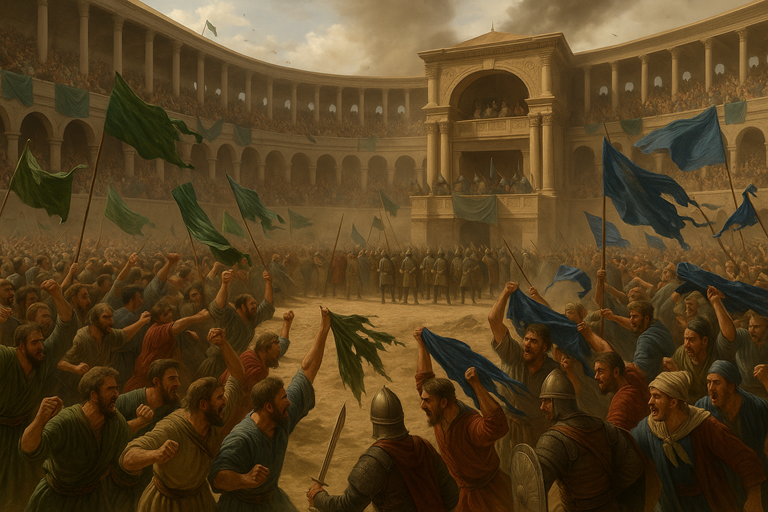
Walk the spine of the ancient city. Decode the chariot factions that sparked the blood-soaked Nika Riots, standing in the shadows of Hagia Sophia.

Explore Audio Guide →
The Merchant Princes 🏛️ #6 • Karaköy & Galata: The Latin Republics

The Merchant Princes

Explore the bustling docks of Karaköy and uncover the fierce Italian trade wars that dominated the Mediterranean wealth.

Explore Audio Guide →
The Belle Époque of the East 🏛️ #7 • Pera & Beyoğlu: Spies, Embassies, and the Orient Express

The Belle Époque of the East

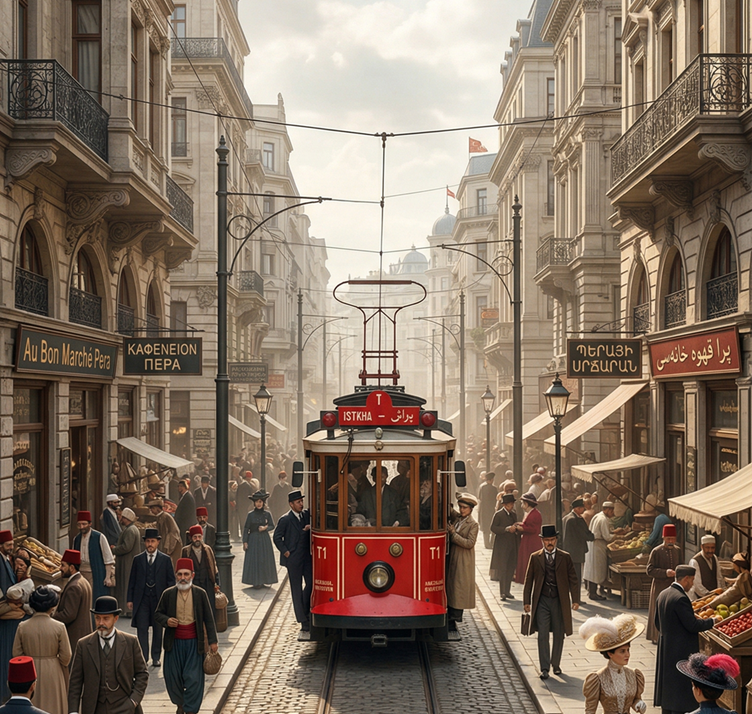
Stroll the elegant İstiklal Avenue alongside the historic red tram and discover the cinematic glamour of 19th-century Pera.

Explore Audio Guide →
The Colors of the Horn 🏛️ #8 • Fener, Balat & Ayvansaray: The Golden Horn Mosaic

The Colors of the Horn

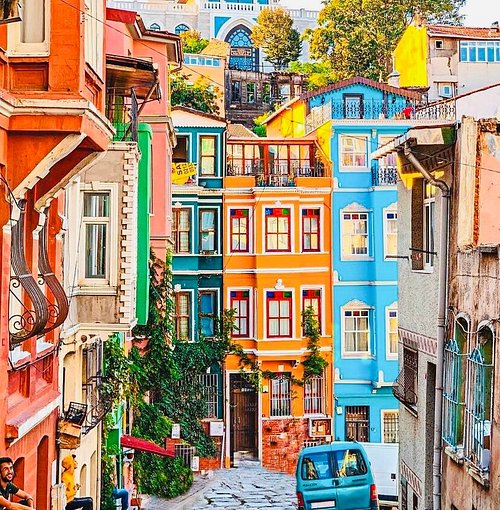
Walk the vibrant, steep cobblestones of Balat and Fener. Marvel at the looming Red School and the incredible Bulgarian Iron Church.

Explore Audio Guide →

Frequently Asked Questions

What was the original purpose of Gülhane Park?

Gülhane Park, meaning 'The House of Roses,' was established in the early 17th century by Sultan Ahmed I. It served as a private, secluded extension of Topkapı Palace grounds, featuring rose gardens, ancient trees, and pavilions, exclusively for the sultan, his court, and honored guests.
When did Gülhane Park become accessible to the public?

For centuries, Gülhane Park was strictly reserved, symbolizing imperial privilege and forbidding ordinary people entry. By the dawn of the 20th century, its gates finally opened, transforming it from an imperial secret into a public treasure where Istanbul's people could stroll and picnic.

What significant historical event occurred at Gülhane Park?

Gülhane Park was the site of a pivotal historical event in 1839. Under its grand plane trees, the Tanzimat Edict was proclaimed. This groundbreaking decree aimed to modernize the Ottoman Empire, promising rights and reforms to its citizens, a moment echoing far beyond the garden walls.

Did Gülhane Park host any other notable events during the Ottoman era?

Yes, throughout the Ottoman centuries, Gülhane Park hosted lavish festivities. It was one of the central locations for the extravagant Tulip Festivals during The Tulip Era, which spanned from 1718 to 1730, adding to its rich imperial history.

⏳ Continue the Imperial Istanbul Timeline

🎬 #16 • 1664 AD • Fragrant Jewel of the Maritime Trade

Spice Bazaar

In the heart of 17th-century Istanbul, the Spice Bazaar — known locally as Mısır Çarşısı or "Egyptian Bazaar" — stood as a vibrant artery of the empire's trade. Commissioned by Sultan Mehmed III but completed during the reign of his successor, Sultan Mehmed IV in 1664, the bazaar was designed to support the nearby Yeni Mosque complex financially. It earned the name "Egyptian Bazaar" because much of the goods sold there — especially spices and exotic products — arrived through Egypt, then a vital province of the empire.

🎬 #17 • 1881 AD • Osman Hamdi Bey's Imperial Archive

Istanbul Archaeological Museum

Tucked beside the ancient walls of Topkapı Palace, the Istanbul Archaeological Museum stands as one of the oldest and richest museums in the world. Far more than a building filled with relics, it’s a vast chronicle of human civilization. The museum was founded in 1881 by Osman Hamdi Bey, a visionary Ottoman painter, archaeologist, and intellectual. At a time when European powers were exporting ancient artifacts from Ottoman lands, Osman Hamdi spearheaded the creation of a national museum to protect and showcase the empire’s archaeological heritage. The original structure became the first purpose-built museum in the Ottoman Empire and laid the foundation for modern museology in Turkey.

🎬 #18 • Late 19th Century • East-West Cultural Salon

Pera Museum

Welcome to the Pera Museum, a jewel of Istanbul’s cultural scene nestled in the historic heart of Beyoğlu. This elegant building originally served as the Bristol Hotel, one of the most distinguished accommodations in the Pera district during the late Ottoman period. The hotel stood at the crossroads of East and West, hosting foreign diplomats, artists, and intellectuals who came to witness the changing face of a modernizing empire. In 2005, the Suna and İnan Kıraç Foundation transformed this iconic structure into a museum, preserving its neoclassical façade while reimagining the interior as a modern exhibition space.

Istanbul Smart Guide
★★★★★ 4.8 • FREE APP • OFFLINE GPS
Hear Istanbul's Hidden Stories
Your Personal Audio Guide • 10 Languages
🎧 Download