🏛️ Imperial Istanbul Chronicles: From Constantine's Column to the Twilight of the Ottomans
⏳ #3 • 4th–6th Century • Sacred Byzantine Palace
🎬 Watch the first 30 seconds, then listen to the cliffhanger audio teaser ← Explore All App Features
🎬 30-Second AI Historical Video Preview
🎧 Continue Listening — Audio Teaser

“But what secrets lie beneath? In the 1930s, stunning mosaics were unearthed, revealing a portal to Byzantine civil life. Yet, today, this invaluable museum stands closed. Discover its forgotten splendor and a severed link to empire. Unlock the full video and audio story in the Istanbul Smart Guide app.”

Unlock the full cinematic video & complete narration in the free Istanbul Smart Guide app.

The Lost Majesty of the Great Palace

Hidden beneath the bustling streets of modern-day Istanbul lies a forgotten world — the ceremonial heart of a mighty empire. The Great Palace of Constantinople, once the nerve center of the Byzantine realm, now whispers through mosaics, shadows, and ruins. This is the story of a vanished masterpiece — its rise, its fall, and its silent fragments that still breathe today.

🎧 Continue Listening — Audio Teaser

“But what secrets lie beneath? In the 1930s, stunning mosaics were unearthed, revealing a portal to Byzantine civil life. Yet, today, this invaluable museum stands closed. Discover its forgotten splendor and a severed link to empire. Unlock the full video and audio story in the Istanbul Smart Guide app.”

A Forgotten World Below

Hidden beneath the bustling streets of modern-day Istanbul lies a forgotten world — the ceremonial heart of a mighty empire. The Great Palace of Constantinople, once the nerve center of the Byzantine realm, now whispers through mosaics, shadows, and ruins. This is the story of a vanished masterpiece — its rise, its fall, and its silent fragments that still breathe today.

Constantine’s Vision

The Great Palace was begun under Emperor Constantine the Great, shortly after he founded Constantinople in 330 CE. Built on the southeastern tip of the city, the palace wasn't just a residence — it was the ceremonial, political, and administrative heart of the Byzantine Empire.

Expansion of Glory

Over the centuries, emperors expanded and embellished the complex, adding grand halls, lush gardens, chapels, and private quarters. The palace became a living symbol of imperial power, where diplomacy, ritual, and daily governance converged.

The Empire’s Stage

At its peak — particularly during the reigns of Justinian I in the 6th century and later during the Macedonian dynasty — the Great Palace was a marvel of mosaic artistry, marble colonnades, and architectural ingenuity. It was not merely a home, but a theatre of empire.

Life in Stone

Among the palace’s most striking features were its intricate mosaics — not sacred depictions, but vivid scenes of daily life, nature, and myth. Lions stalk deer, peasants wrangle donkeys, and children play — all captured in colored stone with exquisite detail.

A Secular Celebration

These mosaics covered vast corridors, hinting at a world that was more than just spiritual; it celebrated the human and natural realms. This secular artistry, rare in Byzantine visual culture, offers a rare glimpse into the cultural sophistication of the era.

Fragments of a Whole

Though the exact layout of the entire palace remains elusive, the surviving fragments — especially those under the Arasta Bazaar — form one of the richest non-religious mosaic collections of late antiquity.

Fall and Oblivion

When the Ottomans conquered Constantinople in 1453, the Great Palace had already fallen into disuse. The sultans favored Topkapı Palace, built nearby. Over time, the ruins of the Great Palace were plundered, built over, and forgotten.

🔒 FULL HISTORICAL NARRATION & VIDEO

Continue Watching & Reading in the App

Scan the QR code on the Floating App Card at the bottom-right of your screen to watch the full AI historical reconstruction video and read the complete story for free.

Download the free Istanbul Smart Guide app on iOS or Android to watch the full AI historical video and read the complete story.

📲 Get the Free App Now
🎧 STEP INSIDE THE MONUMENTS

Explore Our 8 Flagship Interactive Audio Tours

Go beyond the video stories—walk Istanbul's greatest museums and historic districts with offline GPS & interactive AI audio guides.

The Masterpieces of Eternity 🏛️ #1 • Istanbul Archaeological Museum

The Masterpieces of Eternity

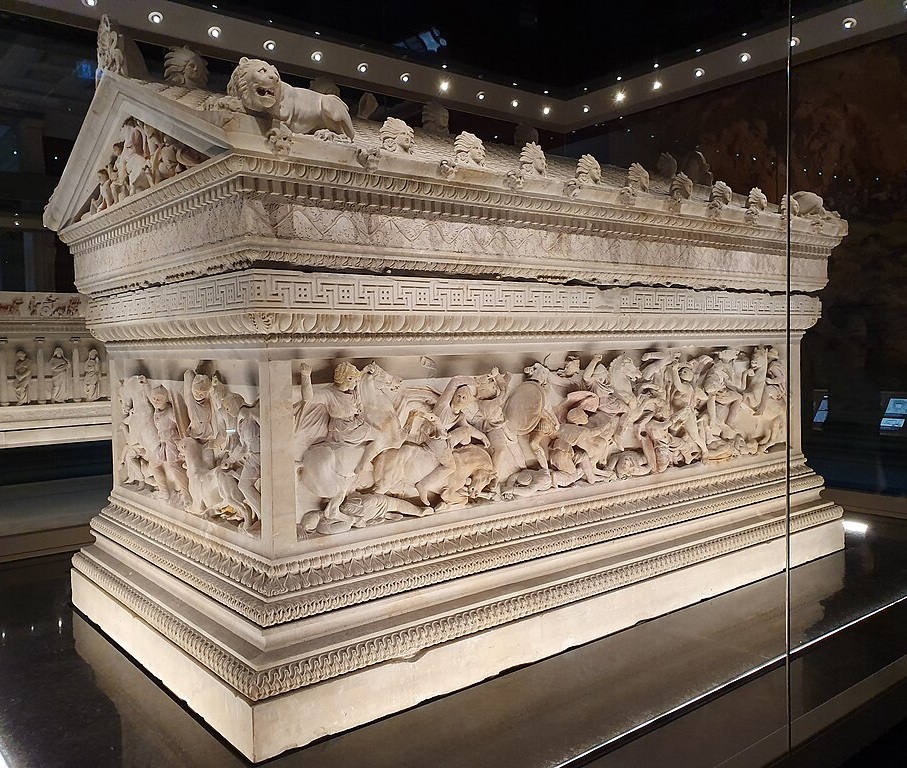
Discover the absolute must-see ancient artifacts, from the world's oldest peace treaty to the stunning Alexander Sarcophagus.

Explore Audio Guide →
Secrets of the Golden Horn 🏛️ #2 • Topkapı Palace

Secrets of the Golden Horn

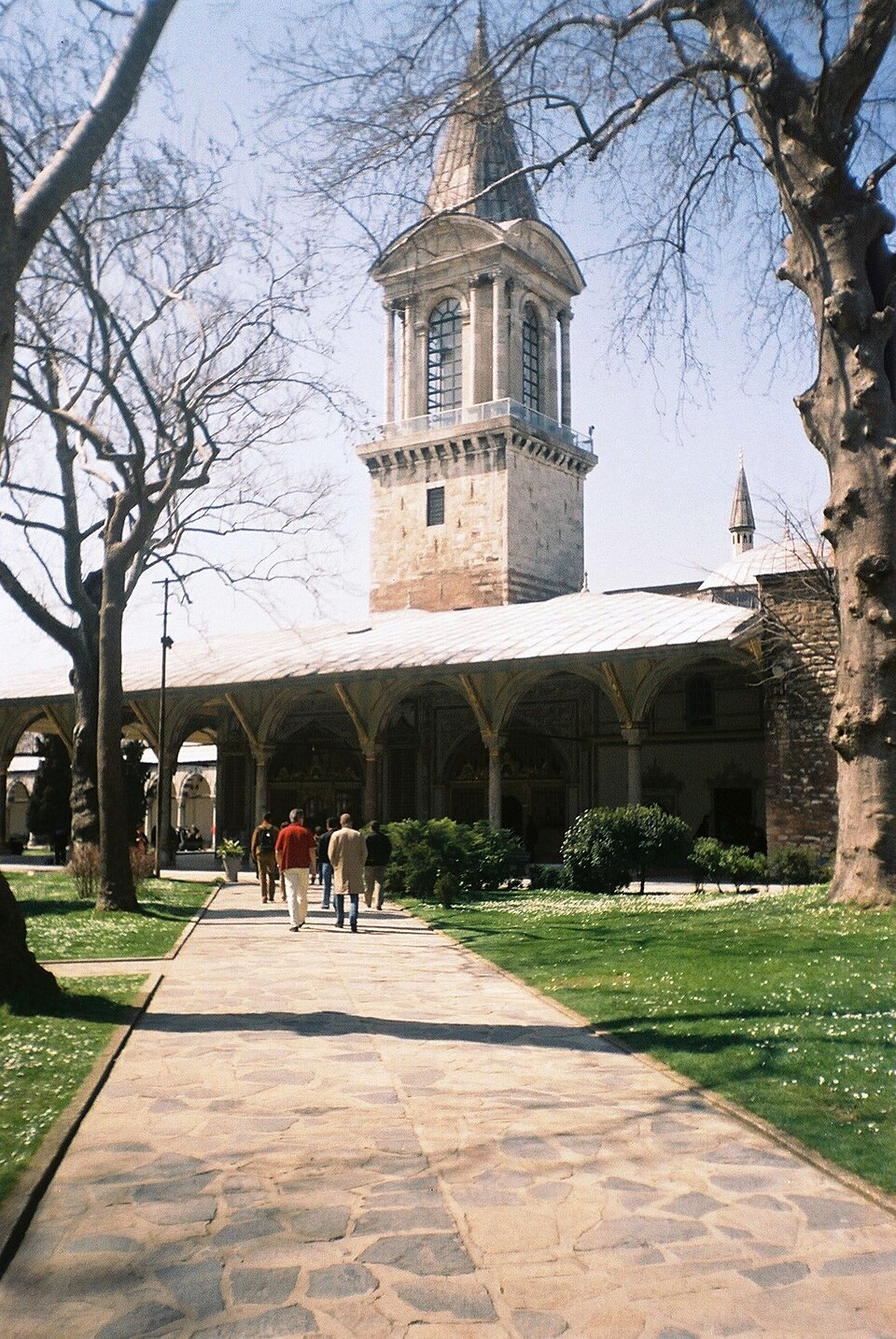
Step into the center of the Ottoman Empire, exploring the grand courtyards, treasury, and sacred relics of the Sultans.

Explore Audio Guide →
The Sunken Forest 🏛️ #3 • The Basilica Cistern

The Sunken Forest

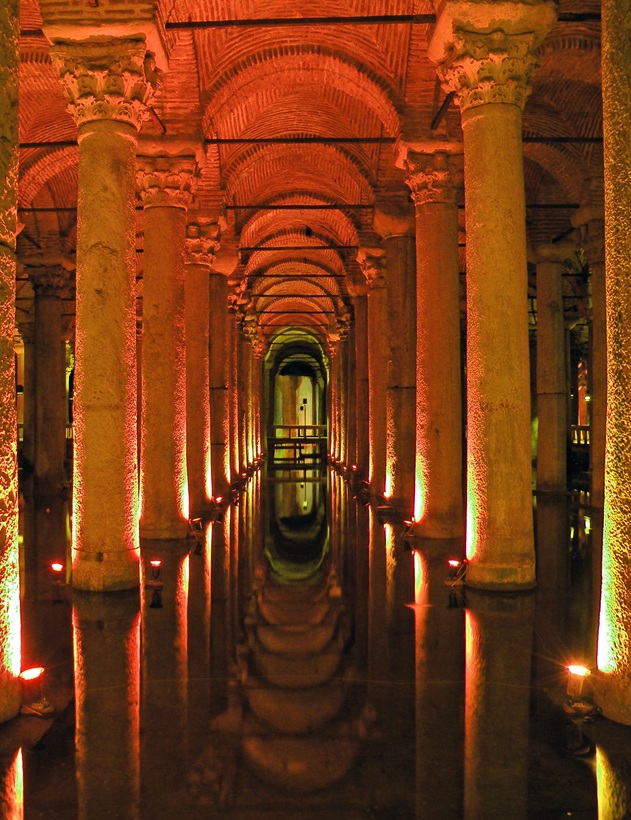
Descend into the mysterious, dimly lit 6th-century subterranean lake and walk among its 336 ancient marble columns.

Explore Audio Guide →
Echoes of Empires 🏛️ #4 • Hagia Sophia

Echoes of Empires

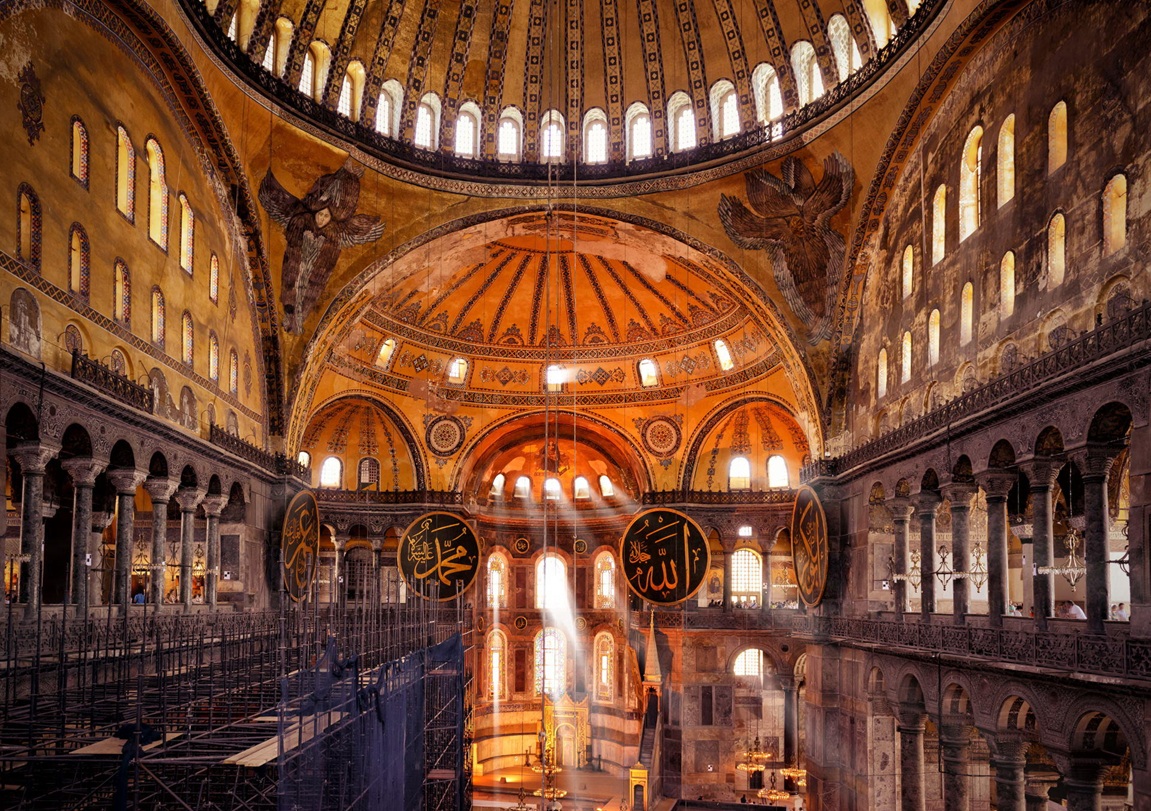
Experience the breathtaking scale of a 1,500-year-old architectural wonder, tracing its dual legacy as a great Byzantine church and imperial Ottoman mosque.

Explore Audio Guide →
The Blood of Empires 🏛️ #5 • Sultanahmet & The Imperial Core

The Blood of Empires

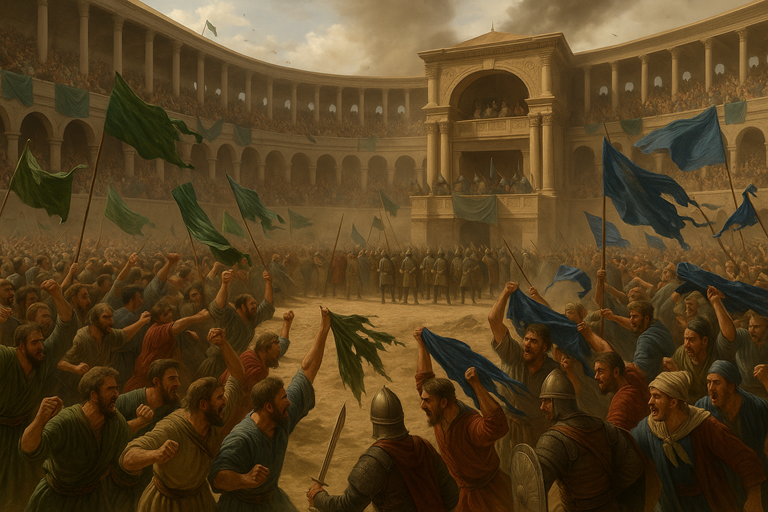
Walk the spine of the ancient city. Decode the chariot factions that sparked the blood-soaked Nika Riots, standing in the shadows of Hagia Sophia.

Explore Audio Guide →
The Merchant Princes 🏛️ #6 • Karaköy & Galata: The Latin Republics

The Merchant Princes

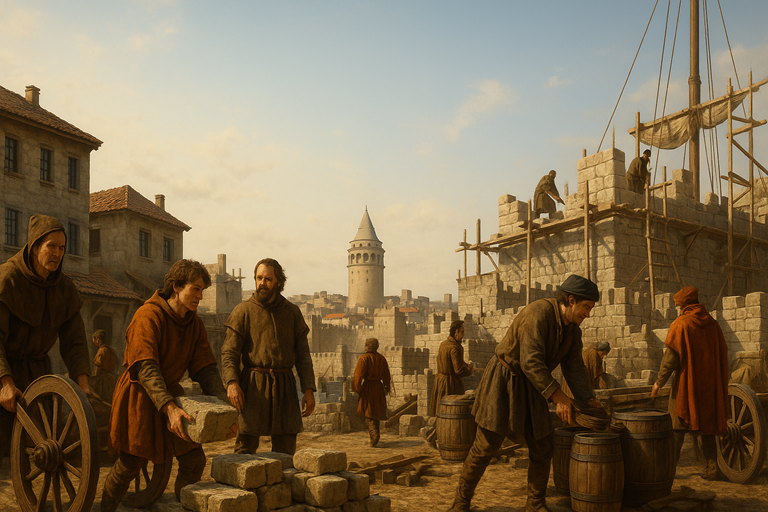
Explore the bustling docks of Karaköy and uncover the fierce Italian trade wars that dominated the Mediterranean wealth.

Explore Audio Guide →
The Belle Époque of the East 🏛️ #7 • Pera & Beyoğlu: Spies, Embassies, and the Orient Express

The Belle Époque of the East

Stroll the elegant İstiklal Avenue alongside the historic red tram and discover the cinematic glamour of 19th-century Pera.

Explore Audio Guide →
The Colors of the Horn 🏛️ #8 • Fener, Balat & Ayvansaray: The Golden Horn Mosaic

The Colors of the Horn

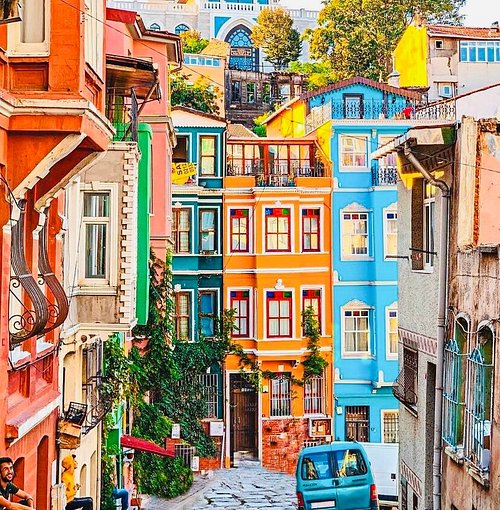
Walk the vibrant, steep cobblestones of Balat and Fener. Marvel at the looming Red School and the incredible Bulgarian Iron Church.

Explore Audio Guide →

Frequently Asked Questions

When was the Great Palace of Constantinople started?

The Great Palace was begun under Emperor Constantine the Great, shortly after he founded Constantinople in 330 CE. It served as the ceremonial, political, and administrative heart of the Byzantine Empire from its inception.

What made the Great Palace mosaics unique?

The palace’s mosaics were unique for their secular artistry, depicting vivid scenes of daily life, nature, and myth rather than sacred images. This rare glimpse into human and natural realms offers insight into the cultural sophistication of the era.

What happened to the Great Palace after the Ottoman conquest?

After the Ottoman conquest in 1453, the Great Palace had already fallen into disuse. The sultans favored Topkapı Palace, and over time, the ruins were plundered, built over, and largely forgotten, losing their former imperial significance.

Where can one see surviving fragments of the Great Palace today?

Surviving fragments, especially those under the Arasta Bazaar, form one of the richest non-religious mosaic collections of late antiquity. These stunning mosaics were rediscovered in the 1930s and were later displayed in the Great Palace Mosaic Museum.

⏳ Continue the Imperial Istanbul Timeline

Istanbul Smart Guide
★★★★★ 4.8 • FREE APP • OFFLINE GPS
Hear Istanbul's Hidden Stories
Your Personal Audio Guide • 10 Languages
🎧 Download