🏛️ Imperial Istanbul Chronicles: From Constantine's Column to the Twilight of the Ottomans
⏳ #2 • 3rd–4th Century • Byzantine Imperial Arena
🎬 Watch the first 30 seconds, then listen to the cliffhanger audio teaser ← Explore All App Features
🎬 30-Second AI Historical Video Preview
🎧 Continue Listening — Audio Teaser

“But what secrets still rise from the dust of this ancient arena? Discover the surviving monuments—the Obelisk of Theodosius, the Serpent Column—and feel the enduring spirit beneath modern footsteps. Unlock the full video and audio story of the Hippodrome's hidden grandeur in the Istanbul Smart Guide app.”

Unlock the full cinematic video & complete narration in the free Istanbul Smart Guide app.

The Hippodrome of Constantinople

Long before the domes and minarets of Ottoman Istanbul rose above the skyline, the heart of the ancient city beat in a very different place: the Hippodrome of Constantinople. Built in the early 3rd century by the Roman Emperor Septimius Severus and vastly expanded by Constantine the Great in the 4th century, the Hippodrome was more than an arena — it was the stage upon which the fate of empires danced.

🎧 Continue Listening — Audio Teaser

“But what secrets still rise from the dust of this ancient arena? Discover the surviving monuments—the Obelisk of Theodosius, the Serpent Column—and feel the enduring spirit beneath modern footsteps. Unlock the full video and audio story of the Hippodrome's hidden grandeur in the Istanbul Smart Guide app.”

Arena of Power and Glory

Long before the domes and minarets of Ottoman Istanbul rose above the skyline, the heart of the ancient city beat in a very different place: the Hippodrome of Constantinople. Built in the early 3rd century by the Roman Emperor Septimius Severus and vastly expanded by Constantine the Great in the 4th century, the Hippodrome was more than an arena — it was the stage upon which the fate of empires danced.

Spectacle and Sovereignty

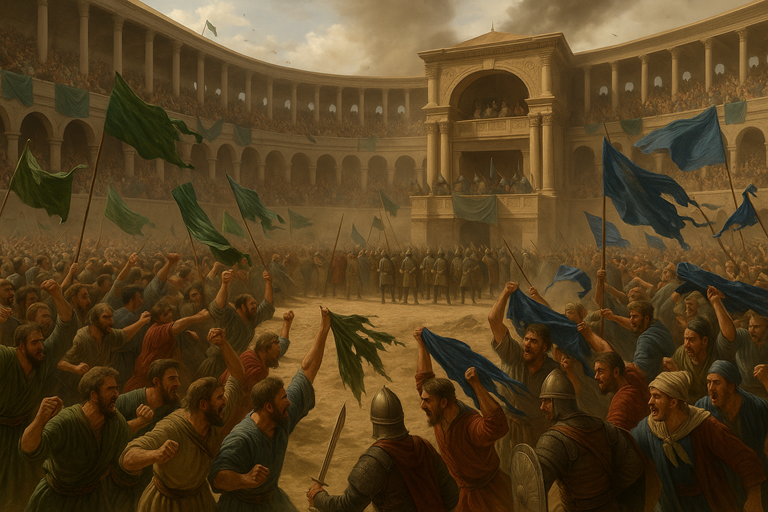
Here, up to 100000 spectators gathered to watch thrilling chariot races, gladiatorial contests, and imperial ceremonies. The emperors did not merely attend; they ruled from the Kathisma, a grand imperial box that loomed above the track. The Hippodrome was a reflection of imperial power and popular will — where triumphs were celebrated, rebellions were sparked, and the pulse of the Byzantine world could be felt in every roar of the crowd.

Monumental Grandeur

At its zenith, the Hippodrome was adorned with priceless monuments: bronze statues, gilded icons, and towering pillars from the far corners of the empire. The most famous contests were between the Blues and the Greens — not just racing teams, but political factions that shaped Byzantine life and often led to violent uprisings, the most devastating of which was the Nika Riots of 532, when much of the city — including the original Hagia Sophia — burned in the chaos.

From Decline to Continuity

As centuries passed and the Byzantine Empire weakened, the Hippodrome fell into decline. By the time the Ottomans conquered Constantinople in 1453, the once-mighty arena was already a shadow of its former glory. Yet Sultan Mehmed II respected the bones of the ancient city, and the Hippodrome space — now known as At Meydanı, or "Horse Square" — remained an important public space during the Ottoman era.

🔒 FULL HISTORICAL NARRATION & VIDEO

Continue Watching & Reading in the App

Scan the QR code on the Floating App Card at the bottom-right of your screen to watch the full AI historical reconstruction video and read the complete story for free.

Download the free Istanbul Smart Guide app on iOS or Android to watch the full AI historical video and read the complete story.

📲 Get the Free App Now
🎧 STEP INSIDE THE MONUMENTS

Explore Our 8 Flagship Interactive Audio Tours

Go beyond the video stories—walk Istanbul's greatest museums and historic districts with offline GPS & interactive AI audio guides.

The Masterpieces of Eternity 🏛️ #1 • Istanbul Archaeological Museum

The Masterpieces of Eternity

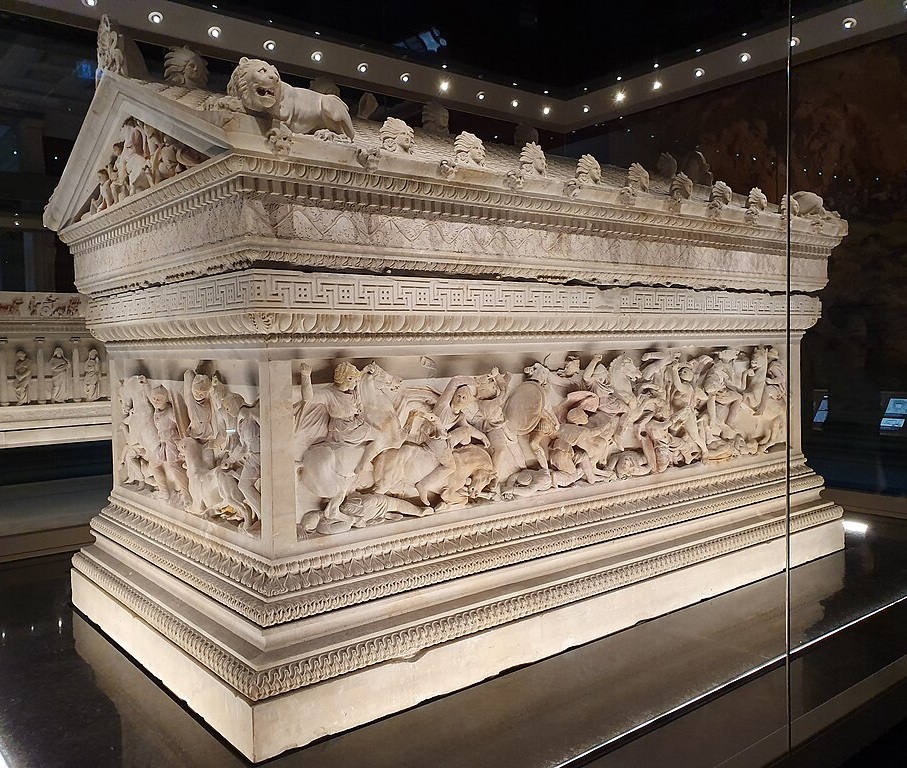
Discover the absolute must-see ancient artifacts, from the world's oldest peace treaty to the stunning Alexander Sarcophagus.

Explore Audio Guide →
Secrets of the Golden Horn 🏛️ #2 • Topkapı Palace

Secrets of the Golden Horn

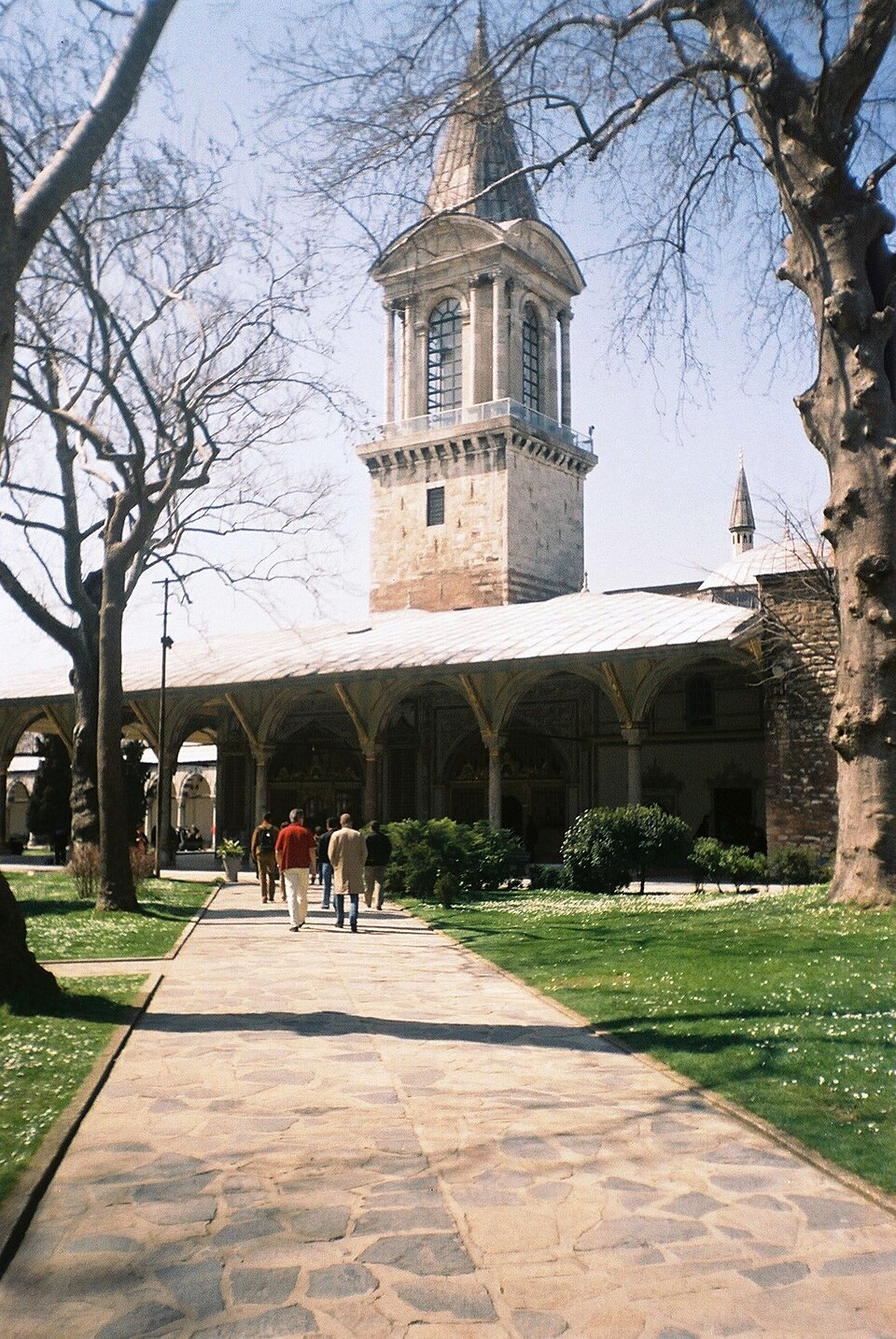
Step into the center of the Ottoman Empire, exploring the grand courtyards, treasury, and sacred relics of the Sultans.

Explore Audio Guide →
The Sunken Forest 🏛️ #3 • The Basilica Cistern

The Sunken Forest

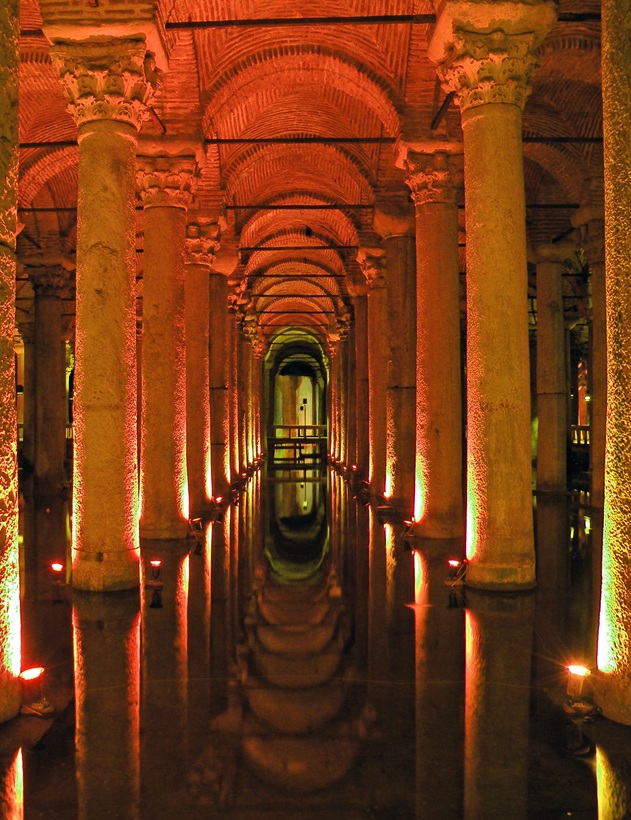
Descend into the mysterious, dimly lit 6th-century subterranean lake and walk among its 336 ancient marble columns.

Explore Audio Guide →
Echoes of Empires 🏛️ #4 • Hagia Sophia

Echoes of Empires

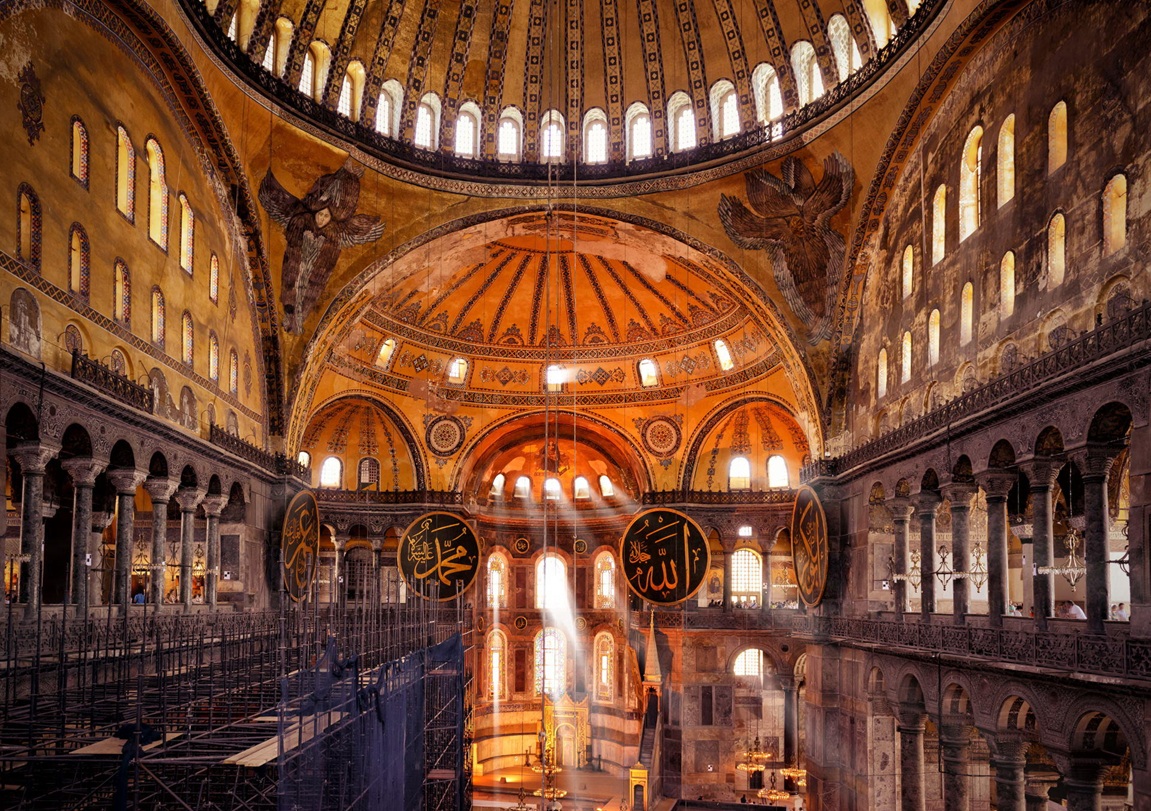
Experience the breathtaking scale of a 1,500-year-old architectural wonder, tracing its dual legacy as a great Byzantine church and imperial Ottoman mosque.

Explore Audio Guide →
The Blood of Empires 🏛️ #5 • Sultanahmet & The Imperial Core

The Blood of Empires

Walk the spine of the ancient city. Decode the chariot factions that sparked the blood-soaked Nika Riots, standing in the shadows of Hagia Sophia.

Explore Audio Guide →
The Merchant Princes 🏛️ #6 • Karaköy & Galata: The Latin Republics

The Merchant Princes

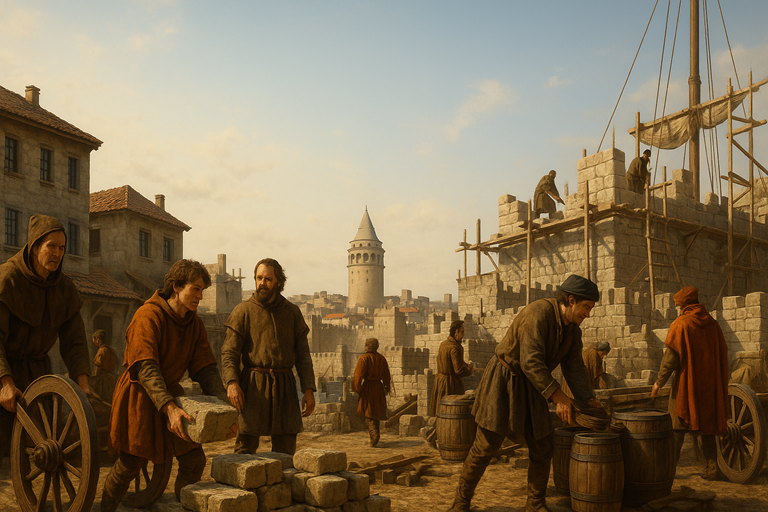
Explore the bustling docks of Karaköy and uncover the fierce Italian trade wars that dominated the Mediterranean wealth.

Explore Audio Guide →
The Belle Époque of the East 🏛️ #7 • Pera & Beyoğlu: Spies, Embassies, and the Orient Express

The Belle Époque of the East

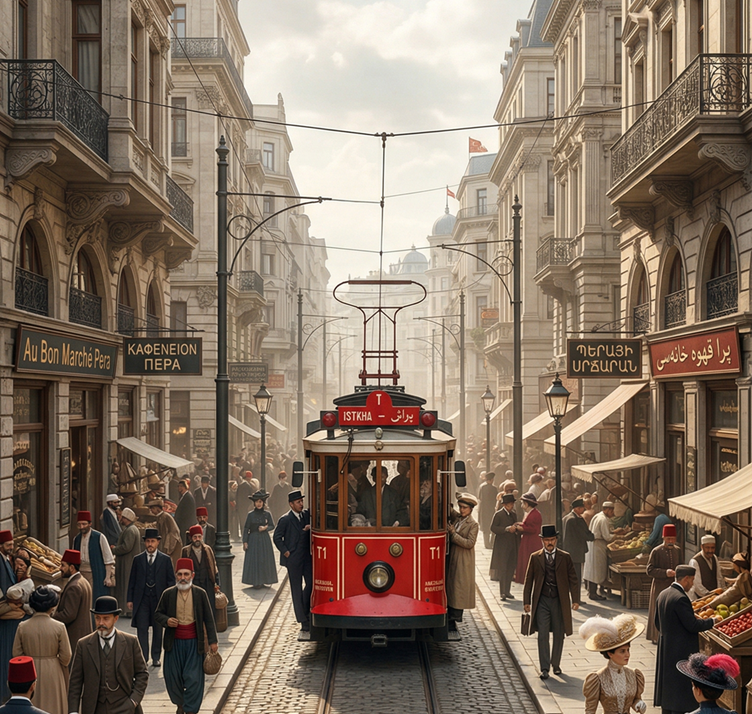
Stroll the elegant İstiklal Avenue alongside the historic red tram and discover the cinematic glamour of 19th-century Pera.

Explore Audio Guide →
The Colors of the Horn 🏛️ #8 • Fener, Balat & Ayvansaray: The Golden Horn Mosaic

The Colors of the Horn

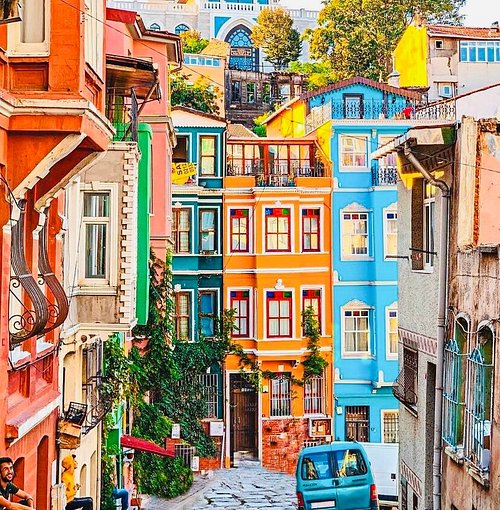
Walk the vibrant, steep cobblestones of Balat and Fener. Marvel at the looming Red School and the incredible Bulgarian Iron Church.

Explore Audio Guide →

Frequently Asked Questions

Who built the Hippodrome of Constantinople and when?

The Hippodrome was initially built in the early 3rd century by Roman Emperor Septimius Severus. It was then vastly expanded in the 4th century by Constantine the Great, transforming it into a grand imperial arena for spectacles and ceremonies.

What was the significance of the Hippodrome during the Byzantine era?

It was the stage for thrilling chariot races, gladiatorial contests, and imperial ceremonies, reflecting both imperial power and popular will. Emperors ruled from the Kathisma, and the arena was a site where triumphs were celebrated and rebellions, like the Nika Riots, were sparked.

What famous monuments adorned the Hippodrome at its zenith?

At its peak, the Hippodrome was adorned with priceless monuments, including bronze statues, gilded icons, and towering pillars. Notable surviving examples include the Obelisk of Theodosius from Egypt and the Serpent Column from Delphi, which once marked the spina.

What happened to the Hippodrome after the Ottoman conquest?

By 1453, the Hippodrome was already in decline. Sultan Mehmed II respected the site, and it continued as an important public space during the Ottoman era, known as At Meydanı, or "Horse Square," preserving its historical significance.

⏳ Continue the Imperial Istanbul Timeline

Istanbul Smart Guide
★★★★★ 4.8 • FREE APP • OFFLINE GPS
Hear Istanbul's Hidden Stories
Your Personal Audio Guide • 10 Languages
🎧 Download