🏛️ Imperial Istanbul Chronicles: From Constantine's Column to the Twilight of the Ottomans
⏳ #12 • 1459 AD • Nerve Center of Three Continents
🎬 Watch the first 30 seconds, then listen to the cliffhanger audio teaser ← Explore All App Features
🎬 30-Second AI Historical Video Preview
🎧 Continue Listening — Audio Teaser

“For nearly four centuries, Topkapı Palace was the beating heart of the Ottoman Empire. From here, orders shaped three continents. Discover the secrets of its ceremonial grandeur, the sacred relics, and its eventual decline. Unlock the full video and audio story of this incredible imperial complex in the Istanbul Smart Guide app.”

Unlock the full cinematic video & complete narration in the free Istanbul Smart Guide app.

Topkapı Palace: The Nerve Center of an Empire

In 1459, just six years after the conquest of Constantinople, Sultan Mehmed II ordered the construction of a new imperial residence—not in the heart of the old Byzantine city, but on a dramatic promontory at the very tip of the historic peninsula. From this position, flanked by the Bosphorus, the Golden Horn, and the Sea of Marmara, the sultan could gaze across the straits toward Asia, watch the ships pass, and symbolically rule over both East and West.

🎧 Continue Listening — Audio Teaser

“For nearly four centuries, Topkapı Palace was the beating heart of the Ottoman Empire. From here, orders shaped three continents. Discover the secrets of its ceremonial grandeur, the sacred relics, and its eventual decline. Unlock the full video and audio story of this incredible imperial complex in the Istanbul Smart Guide app.”

A Strategic Foundation

In 1459, just six years after the conquest of Constantinople, Sultan Mehmed II ordered the construction of a new imperial residence—not in the heart of the old Byzantine city, but on a dramatic promontory at the very tip of the historic peninsula. From this position, flanked by the Bosphorus, the Golden Horn, and the Sea of Marmara, the sultan could gaze across the straits toward Asia, watch the ships pass, and symbolically rule over both East and West.

A Site of Legacy and Power

This location was no accident. The site was known in antiquity as the acropolis of Byzantium, already elevated and fortified. But more importantly, it offered natural defenses, sea breezes, and the perfect vantage point for a ruler whose ambitions extended from Vienna to Mecca.

An Evolving Imperial Complex

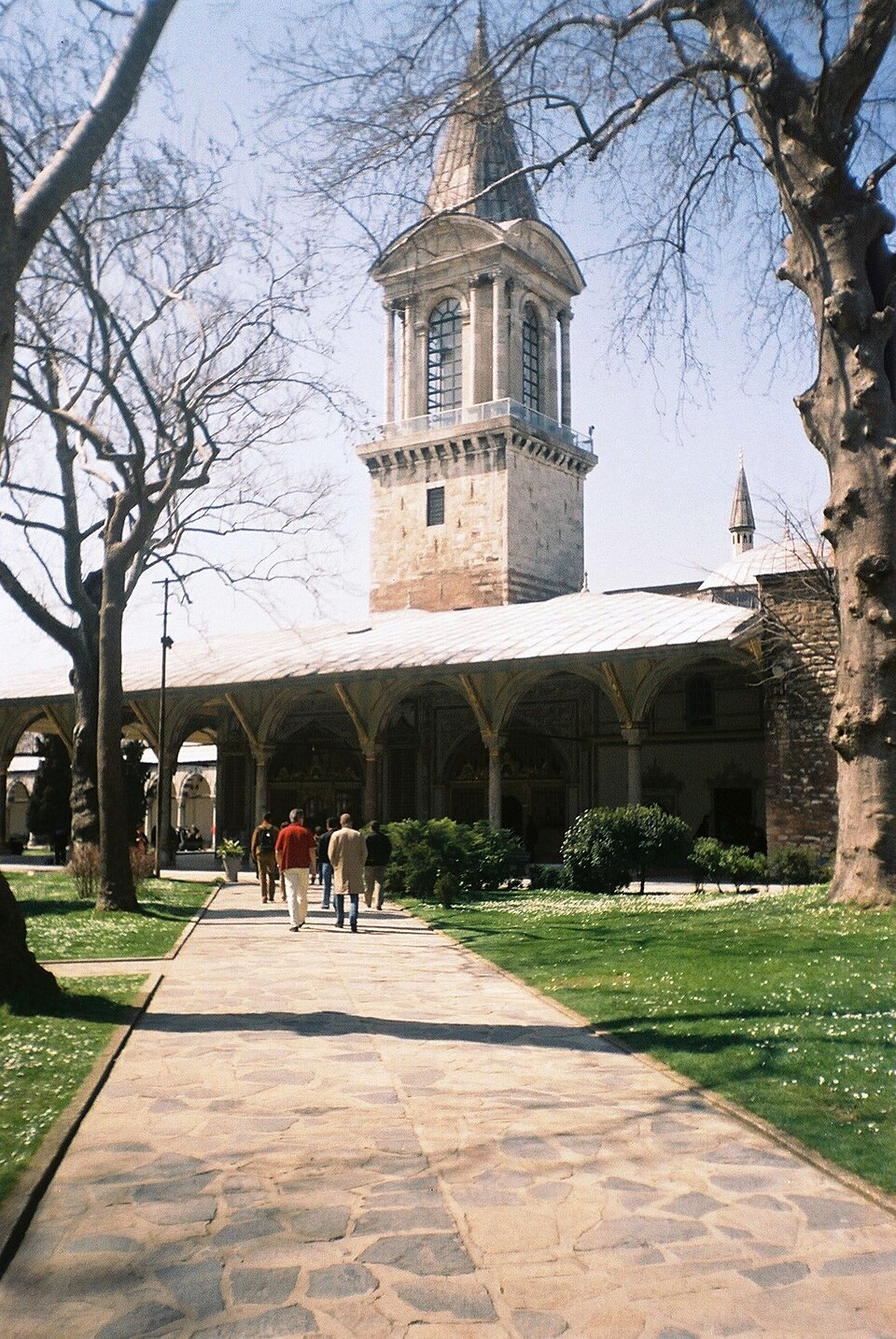
Topkapı Palace was not a single structure, but a sprawling complex of courtyards, kiosks, pavilions, and gardens—each enclosed by high walls. It evolved over centuries, but its original layout set the tone for the Ottoman understanding of imperial space. The outer courtyards served public and administrative purposes, while the deeper one ventured into the palace, the more private and sacred the spaces became.

The Four Courtyards

The palace had four main courtyards:

First Courtyard (Alay Meydanı) – The Procession Square. Open to the public, it contained the Hagia Irene Church and the Imperial Mint.

Second Courtyard (Divan Meydanı) – Administrative heart of the empire. Here stood the Imperial Council (Divan), the palace kitchens, and the treasury.

Third Courtyard (Enderun) – Home of the sultan’s private apartments and the elite Enderun School, which educated future viziers, generals, and scholars.

Fourth Courtyard – A series of serene gardens and pavilions with views over the Bosphorus, including the Baghdad and Revan Kiosks and the Circumcision Room.

The Harem and Private World

At its heart was the Harem, where the sultan’s family and concubines lived under strict rules, guarded and managed by the powerful Black Eunuchs.


🔒 FULL HISTORICAL NARRATION & VIDEO

Continue Watching & Reading in the App

Scan the QR code on the Floating App Card at the bottom-right of your screen to watch the full AI historical reconstruction video and read the complete story for free.

Download the free Istanbul Smart Guide app on iOS or Android to watch the full AI historical video and read the complete story.

📲 Get the Free App Now
🎧 STEP INSIDE THE MONUMENTS

Explore Our 8 Flagship Interactive Audio Tours

Go beyond the video stories—walk Istanbul's greatest museums and historic districts with offline GPS & interactive AI audio guides.

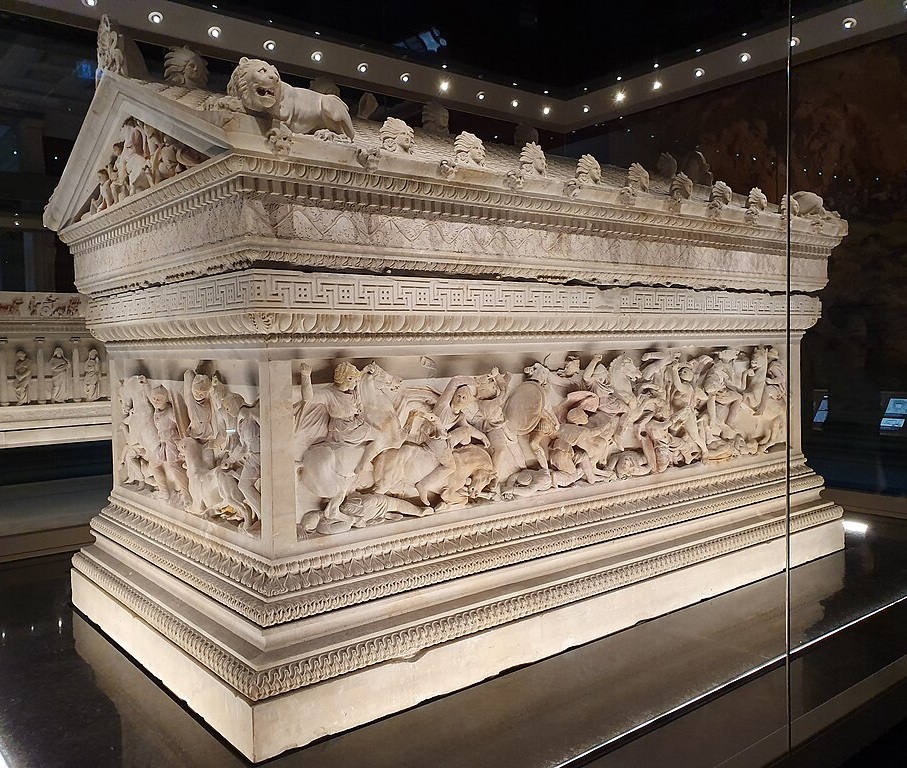
The Masterpieces of Eternity 🏛️ #1 • Istanbul Archaeological Museum

The Masterpieces of Eternity

Discover the absolute must-see ancient artifacts, from the world's oldest peace treaty to the stunning Alexander Sarcophagus.

Explore Audio Guide →
Secrets of the Golden Horn 🏛️ #2 • Topkapı Palace

Secrets of the Golden Horn

Step into the center of the Ottoman Empire, exploring the grand courtyards, treasury, and sacred relics of the Sultans.

Explore Audio Guide →
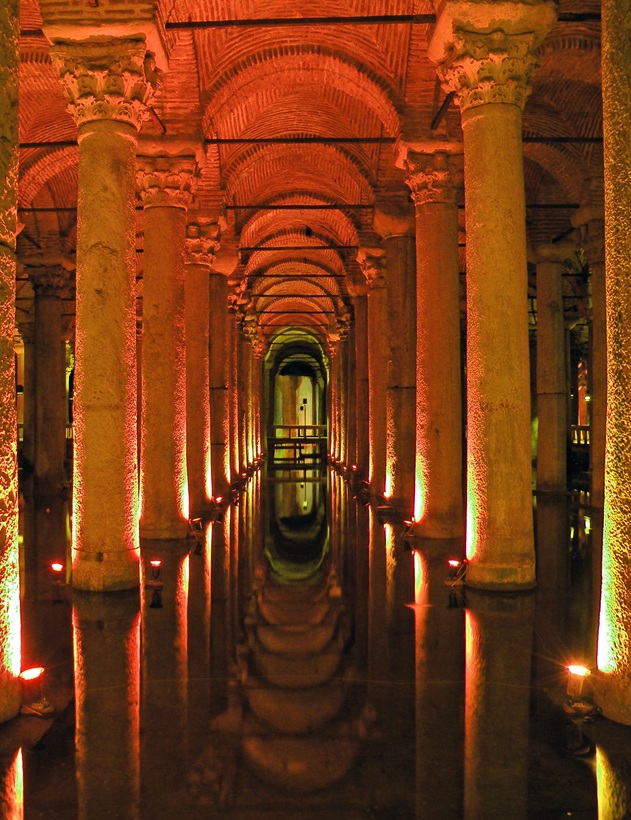
The Sunken Forest 🏛️ #3 • The Basilica Cistern

The Sunken Forest

Descend into the mysterious, dimly lit 6th-century subterranean lake and walk among its 336 ancient marble columns.

Explore Audio Guide →
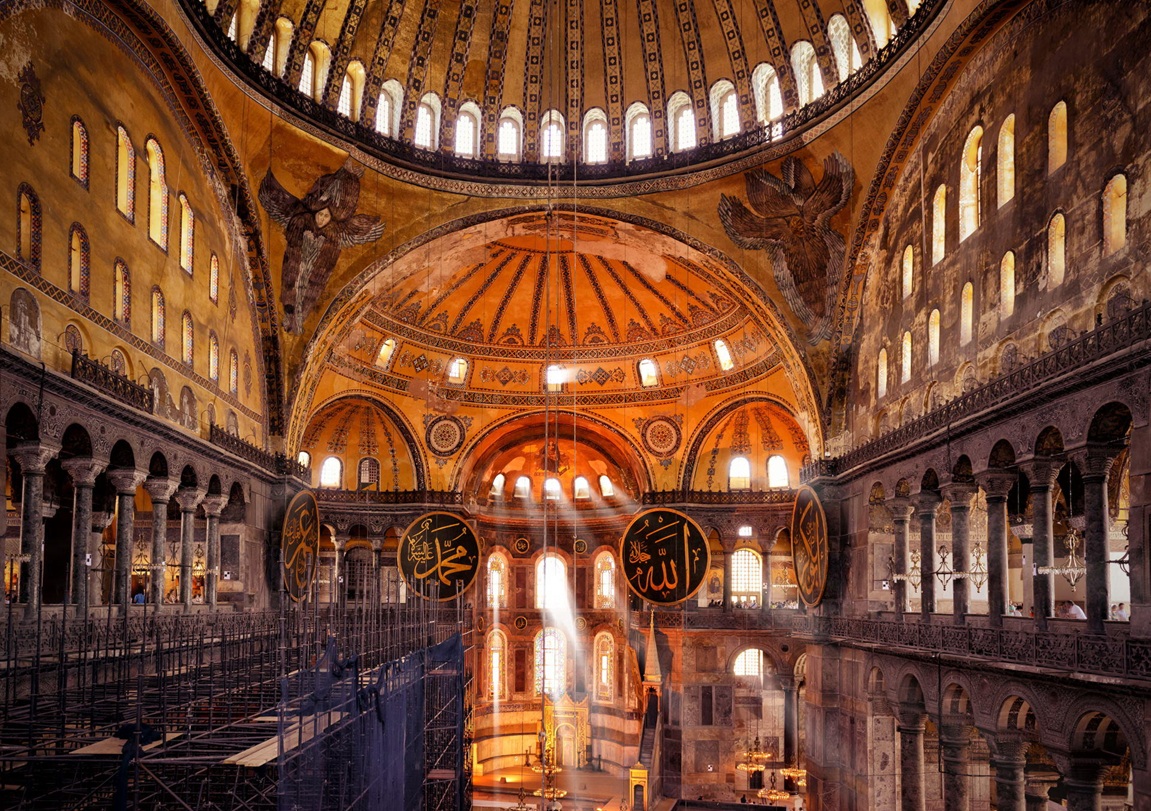
Echoes of Empires 🏛️ #4 • Hagia Sophia

Echoes of Empires

Experience the breathtaking scale of a 1,500-year-old architectural wonder, tracing its dual legacy as a great Byzantine church and imperial Ottoman mosque.

Explore Audio Guide →
The Blood of Empires 🏛️ #5 • Sultanahmet & The Imperial Core

The Blood of Empires

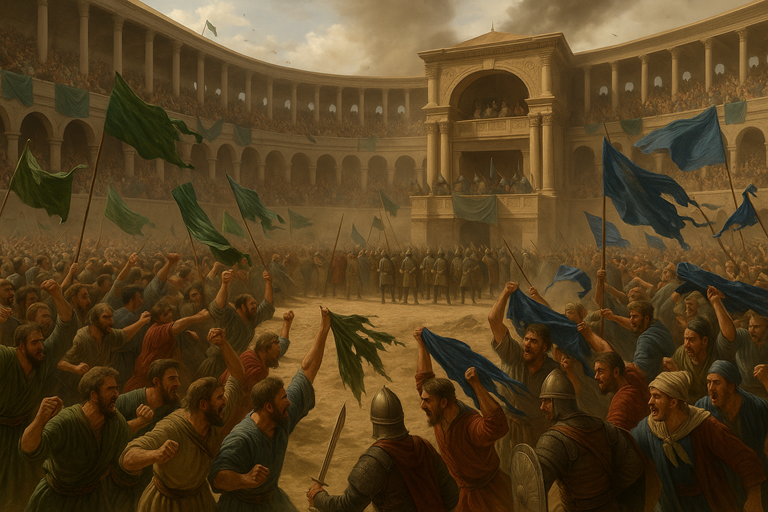
Walk the spine of the ancient city. Decode the chariot factions that sparked the blood-soaked Nika Riots, standing in the shadows of Hagia Sophia.

Explore Audio Guide →
The Merchant Princes 🏛️ #6 • Karaköy & Galata: The Latin Republics

The Merchant Princes

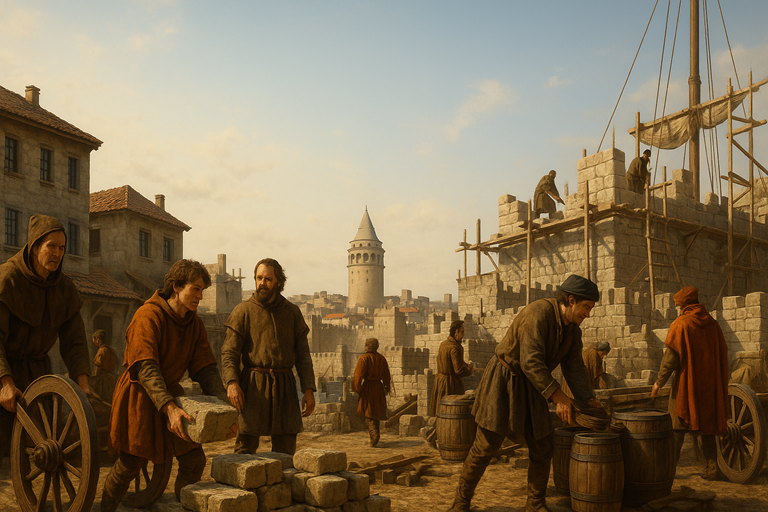
Explore the bustling docks of Karaköy and uncover the fierce Italian trade wars that dominated the Mediterranean wealth.

Explore Audio Guide →
The Belle Époque of the East 🏛️ #7 • Pera & Beyoğlu: Spies, Embassies, and the Orient Express

The Belle Époque of the East

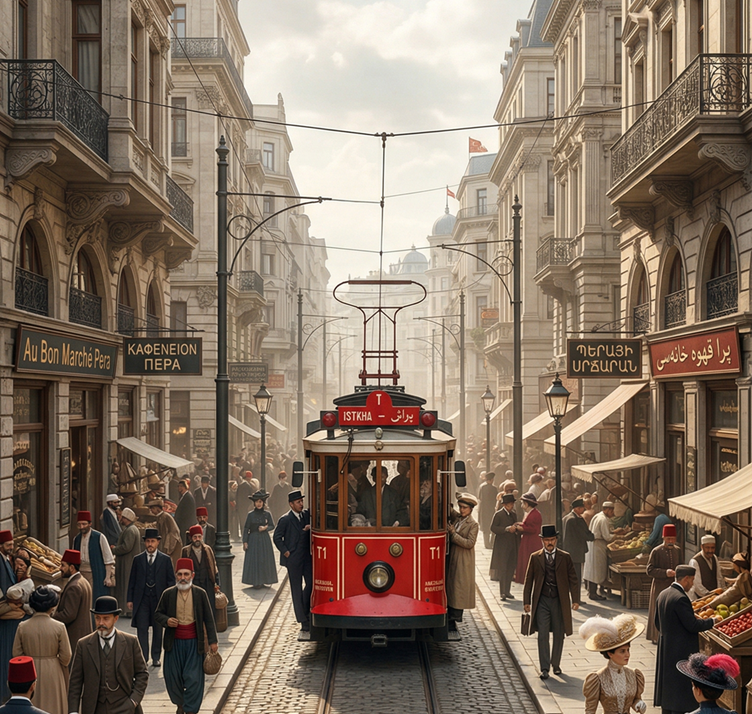
Stroll the elegant İstiklal Avenue alongside the historic red tram and discover the cinematic glamour of 19th-century Pera.

Explore Audio Guide →
The Colors of the Horn 🏛️ #8 • Fener, Balat & Ayvansaray: The Golden Horn Mosaic

The Colors of the Horn

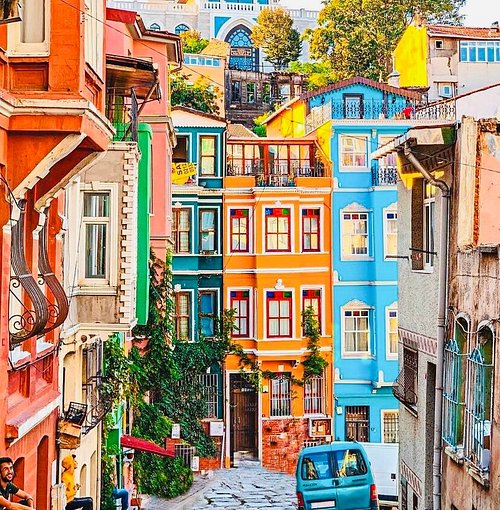
Walk the vibrant, steep cobblestones of Balat and Fener. Marvel at the looming Red School and the incredible Bulgarian Iron Church.

Explore Audio Guide →

Frequently Asked Questions

When was Topkapı Palace built and by whom?

Topkapı Palace was ordered by Sultan Mehmed II in 1459, just six years after the conquest of Constantinople. It was strategically built on a dramatic promontory overlooking the Bosphorus, Golden Horn, and Sea of Marmara.

What was the purpose of Topkapı Palace's four courtyards?

The courtyards served distinct functions. The First was public, the Second administrative, the Third housed the sultan's private apartments and the Enderun School, and the Fourth contained serene gardens and pavilions.

What was the significance of the Harem within Topkapı Palace?

The Harem was the private world of the sultan's family and concubines, operating under strict rules. It was guarded and managed by powerful Black Eunuchs, forming a central, intimate part of the imperial complex.

When did Topkapı Palace cease to be the imperial residence and what is its current function?

By the 18th century, sultans moved to newer palaces, and Topkapı's role faded. In 1924, after the Republic of Turkey's founding, it was transformed into a museum, preserving the memory of the Ottoman Empire.

⏳ Continue the Imperial Istanbul Timeline

Istanbul Smart Guide
★★★★★ 4.8 • FREE APP • OFFLINE GPS
Hear Istanbul's Hidden Stories
Your Personal Audio Guide • 10 Languages
🎧 Download